


Why Did My Credit Score Drop? 12 Reasons and How to Fix It in 2026


 FACT-CHECKEDFACT-CHECKED
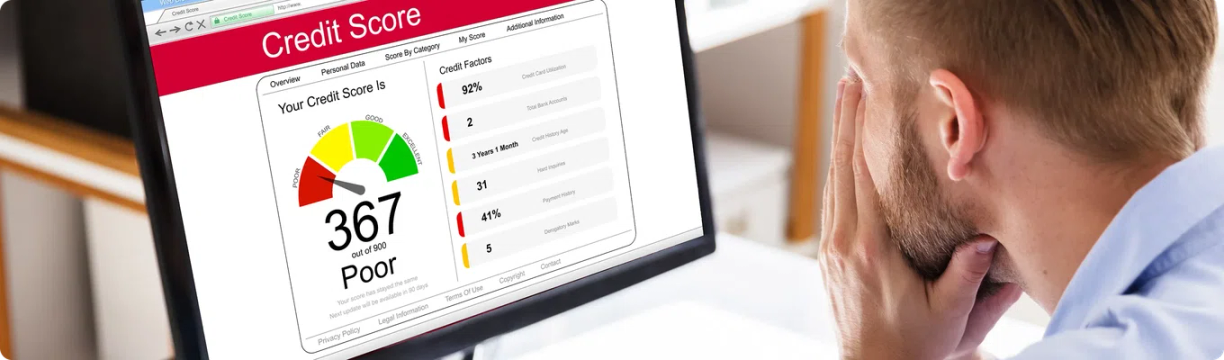
If you miss a payment, your credit score could drop by 63 to 83 points because payment history makes up 35% of your FICO score. Keeping your credit utilization below 30% is another important thing to do. The national average score is 715, so even a small drop can move you down to a lower lending tier.
Key Takeaways
- Your FICO score is made up of 35% of your payment history, so missing one payment is the worst thing that can happen to your credit. FICO says that if you pay late for 30 days, your score could drop by 63 to 83 points.
- Your score is made up of 30% of your credit utilization, which is the percentage of available credit you are using. The CFPB says that you should keep your utilization below 30%, but the lower, the better.
- According to FICO data, the national average FICO score fell from 718 two years ago to 715 now. This was due to rising delinquency rates on credit cards, auto loans, and personal loans.
- Two things can happen when you close an old credit card: your total available credit goes down and the average age of your accounts goes down.
- When you apply for new credit, hard inquiries lower your score by a few points for a short time. However, mortgage and auto loan inquiries made within 45 days of each other count as one inquiry for FICO scoring.
- Sometimes, paying off an installment loan can lower your score by a small amount for a short time because it changes the mix of your credit.
- One of the most common problems the CFPB helps with is mistakes on credit reports.
- One of the quickest ways to get back points you lost is to check your reports often and dispute any mistakes.
How Your Credit Score Is Calculated
Before we talk about what went wrong, it's important to know how your score is made. FICO says that 90% of the best lenders use FICO scores. They look at five different types of information from your credit reports.
The payment history is the most important part, making up 35%. This includes whether or not you've paid your bills on time, how late they were, and how recently they were missed. Credit utilization, which makes up 30% of your score, shows how much of your available revolving credit you're using at any given time. Length of credit history makes up 15% of the score, and it rewards people with longer, more established credit profiles. Credit mix makes up 10% and shows how many different types of accounts you have, like credit cards, auto loans, and mortgages. The last 10% is made up of new credit, which keeps track of recent credit applications and hard inquiries.
Your score changes when any of these things changes. Sometimes the change is clear. Sometimes you need to pay more attention to what happened behind the scenes.

12 Reasons Your Credit Score Dropped
1. You Missed a Payment or Paid Late
This is the number one reason scores drop, and it's the most damaging. Payment history is the single largest factor in your FICO score. A payment reported as 30 days late can cause a fair credit score to fall by 17 to 37 points and an excellent score to fall by 63 to 83 points, according to FICO data. A 90-day late payment hits even harder, with excellent scores dropping as much as 113 to 133 points.
Credit issuers typically don't report a late payment to the bureaus until it's at least 30 days overdue. If you're only a few days late, you may face a late fee from the creditor, but your score likely won't be affected. Once a payment crosses that 30-day mark, the damage shows up on your report and stays there for seven years, though the impact fades over time.
2. Your Credit Card Balance Increased
Even if you pay on time every month, a higher balance on your credit cards raises your utilization ratio and can pull your score down. This is one of the most common reasons for a sudden, seemingly unexplainable drop. Your utilization ratio is calculated using the balance reported on your statement date, not the balance after you pay. If you charge $4,000 on a card with a $5,000 limit, your utilization on that card is 80% even if you plan to pay it off in full when the bill arrives.
The CFPB recommends keeping utilization below 30%. FICO scoring models look at both your overall utilization across all cards and each individual card's utilization. A single maxed-out card can hurt your score even if your total utilization is moderate.
3. Your Credit Limit Was Reduced
Sometimes a credit card issuer lowers your credit limit, and you may not even realize it until your score drops. If you had a $10,000 limit with a $3,000 balance, your utilization was 30%. If the issuer cuts your limit to $5,000, that same $3,000 balance now represents 60% utilization, and your score will reflect it. Issuers may reduce limits during periods of economic uncertainty, if they detect increased risk in your profile, or if you haven't used the card in a long time.
4. You Closed a Credit Card
Closing a credit card, especially an older one, can hurt your score in two ways. First, it removes that card's credit limit from your total available credit, which can increase your overall utilization ratio. Second, if it was your oldest account, closing it eventually reduces the average age of your credit history. The account will remain on your report for up to ten years if it was closed in good standing, so the age impact is delayed. But the utilization impact is immediate.
Unless a card carries a high annual fee or tempts you to overspend, keeping it open and using it occasionally is usually the better move for your score.
5. You Applied for New Credit
Every time you apply for a credit card, auto loan, personal loan, or mortgage, the lender pulls your credit report, creating a hard inquiry. Each hard inquiry can lower your score by a few points, and multiple applications in a short period can signal to lenders that you're in financial distress.
There's an important exception: FICO treats multiple mortgage or auto loan inquiries within a 45-day window as a single inquiry. This rate-shopping window lets you compare lenders without each application compounding the damage. Credit card applications don't get this treatment, however. Each card application counts as a separate inquiry regardless of timing.
6. You Paid Off an Installment Loan
This one catches people off guard. You pay off your car loan or student loan, expecting a reward, and your score drops instead. The reason is credit mix. FICO likes to see that you can manage different types of credit, both revolving accounts like credit cards and installment accounts like auto loans, mortgages, and personal loans. When you pay off your only installment loan, you reduce the variety in your credit profile, and the scoring model reflects that.
The drop is usually small, typically a few points, and it recovers relatively quickly. Paying off debt is always the right financial move; don't carry an unnecessary loan balance just to preserve a few points on your score.
7. A Negative Mark Hit Your Report
Derogatory marks like collections, charge-offs, bankruptcies, foreclosures, and tax liens can cause severe score drops. A collection account can lower your score by 50 to 100 points or more, depending on your starting score. Bankruptcy is among the most damaging events and can remain on your report for seven to ten years.
If a debt goes unpaid for 120 to 180 days, the original creditor may sell it to a collection agency, and the collection account is added to your credit report. You may not receive advance notice that this is happening. Check your reports regularly to catch new negative marks as soon as they appear.
8. Someone Opened an Account in Your Name
Identity theft and fraud can cause sudden, unexplained score drops. If someone opens a credit card or loan in your name and runs up charges or misses payments, those activities show up on your credit report. According to the CFPB, credit report inaccuracies, including accounts opened through fraud, are among the most common consumer complaints the bureau handles.
If you notice accounts you don't recognize, file a dispute with all three credit bureaus immediately. You should also place a fraud alert or credit freeze on your reports and file an identity theft report with the Federal Trade Commission at IdentityTheft.gov.
9. An Authorized User Account Changed
If you're an authorized user on someone else's credit card, that account's activity affects your score. If the primary cardholder misses a payment, maxes out the card, or closes the account, your score can drop even though you had nothing to do with it. Conversely, if you were removed as an authorized user, the positive history from that account no longer contributes to your score.
10. A Negative Item Aged Off But a Positive One Did Too
Credit reports are dynamic. Old accounts cycle off after specific periods: seven years for most negative marks, ten years for closed accounts in good standing. Sometimes a positive, longstanding account ages off your report around the same time a newer, less favorable account becomes more prominent. This can shift the overall composition of your credit file in a way that lowers your score.
11. Your Credit Report Contains an Error
Mistakes happen more often than you might expect. An account that isn't yours, a payment incorrectly reported as late, a balance that doesn't match your records, or a collection account that has already been resolved but still shows as open can all drag your score down. The CFPB recommends checking your credit reports at least once a year through AnnualCreditReport.com. You're entitled to free weekly reports from all three bureaus.
12. Your Score Dropped After Paying Off Debt
Beyond the credit mix issue with installment loans, paying off and closing a credit card can trigger a utilization spike if you carry balances on other cards. Say you have three credit cards with a combined limit of $30,000 and total balances of $6,000 across them. Your utilization is 20%. If you pay off and close one card that had a $10,000 limit, your total available credit drops to $20,000 while your balances on the remaining cards may still total $4,000. Your utilization jumps to 20%, which is fine, but if the remaining balances are higher, the jump could be more pronounced.
How Much Can a Credit Score Drop?
The size of a score drop depends on two things: the severity of the negative event and your starting score. People with higher scores tend to experience larger point drops from the same event because they have further to fall and the negative information represents a bigger departure from their established pattern.
According to FICO data, a 30-day late payment can cost a person with an excellent score around 63 to 83 points, while someone with a fair score might lose only 17 to 37 points. A 90-day late payment is even more severe, with excellent scores dropping as much as 113 to 133 points. A bankruptcy filing can cause a drop of 130 to 240 points depending on the starting score.
Utilization-related drops tend to be smaller and recover faster because utilization is recalculated with each new statement balance. If you ran up your card one month but pay it down the next, your score should bounce back once the lower balance is reported. A hard inquiry from a credit application might cost only two to five points and becomes irrelevant to your score after 12 months.
Here's a practical example. Let's say you have a 740 FICO score and you miss a single mortgage payment by 35 days. That one late payment could drop your score to the mid-to-upper 600s. Suddenly, you've gone from a very good credit tier to a fair one, and if you need to refinance or apply for new credit during that window, you'll face significantly higher rates. That's why preventing the first late payment matters so much more than recovering from it.
Why Credit Scores Are Declining Nationally
If your score dropped recently, you're not alone. The national average FICO score has declined for two consecutive years, falling from 718 to 715, according to FICO data. This reversal ended more than a decade of steady improvement following the financial crisis.
Several factors are driving the national decline. Rising interest rates have made borrowing more expensive, which has pushed more consumers to rely on credit cards for everyday expenses. Credit card delinquency rates have reached levels not seen since the aftermath of the financial crisis, according to FICO. Auto loan and personal loan delinquencies have climbed as well. Younger borrowers have been hit hardest: about 14% of Gen Z borrowers experienced score drops of 50 points or more over the past year, according to FICO data, double the rate from just a few years earlier.
One bright spot in the data: mortgage and home equity loan delinquency rates remain near historic lows. Homeowners, who tend to be older and more financially established, are largely keeping up with their housing payments. The stress is concentrated among renters and younger consumers carrying higher-interest unsecured debt. The end of the federal student loan payment moratorium has also contributed to the decline, as missed student loan payments have begun appearing on credit reports again after years of forbearance.
The broader takeaway is this: if your score dropped, it may partly reflect the same economic pressures affecting millions of other households. That doesn't make the drop less real, but it does mean the recovery strategies that work for others can work for you too.
How to Fix a Credit Score Drop
The fix depends on the cause, so start by identifying what changed. Pull your credit reports from AnnualCreditReport.com and review them against your records. Once you know the cause, here's how to address it.
For Late Payments
Get current immediately. The longer a payment stays delinquent, the more damage it causes. Once you're current, set up automatic payments for at least the minimum due on every account. You can also contact the creditor and ask for a goodwill adjustment, where they agree to remove the late payment from your report. This doesn't always work, but it costs nothing to ask, especially if you have a long history of on-time payments with that lender.
For High Utilization
Pay down your balances as aggressively as you can. If you can't pay everything off at once, focus on the cards with the highest utilization first. Another strategy: ask your credit card issuer for a credit limit increase. If they raise your limit without a hard inquiry, your utilization drops without you needing to pay down the balance. You can also time your payments to post before the statement closing date, which is the date most issuers report your balance to the bureaus.
For Closed Accounts or Reduced Limits
If you closed a card voluntarily, you can't reopen it. But you can offset the utilization impact by paying down balances on remaining cards or requesting a limit increase on another card. If an issuer reduced your limit, call and ask them to restore it. They may agree if your payment history is strong and your financial situation has improved since the reduction.
For Hard Inquiries
Hard inquiries fall off your report after two years and stop affecting your FICO score after 12 months. There's no way to remove a legitimate hard inquiry early. The best approach is to simply avoid applying for new credit in the months leading up to a mortgage application or other major borrowing decision.
For Credit Report Errors
File a dispute directly with the credit bureau reporting the error. You can do this online through each bureau's website. The bureau has 30 to 45 days to investigate and respond. If the error is verified as inaccurate, it must be corrected or removed, and your score should adjust accordingly. Keep copies of all correspondence and supporting documentation.
For Identity Theft
Place a fraud alert or credit freeze on your reports with all three bureaus. File a report at IdentityTheft.gov through the FTC. Dispute any fraudulent accounts or charges with the bureaus. Monitor your reports closely for several months afterward to ensure no new fraudulent activity appears.
When a Credit Score Drop Matters Most
Small fluctuations of a few points are normal and happen regularly as your credit data updates. A drop of one to five points from a single hard inquiry or a small change in utilization typically isn't cause for concern.
The drops that matter most are the ones that happen right before you need credit. If you're planning to apply for a mortgage in the next three to six months, even a 20-point drop can push you into a higher rate tier, costing thousands of dollars over the life of the loan. If you're actively shopping for a home, monitor your credit weekly and avoid any actions that could trigger a score change: don't open new accounts, don't close existing accounts, don't make large purchases on credit, and don't miss any payments.
If your score dropped by 50 points or more and you can't identify why, check your reports immediately. A large, unexplained drop may indicate identity theft or a serious reporting error that needs immediate attention.
For mortgage applicants specifically, your credit score at the time of application determines which rate tier you fall into. Moving from a 740 to a 720 might not change much. But dropping from 680 to 650 could push you from one rate tier to the next, adding thousands in interest over 30 years. If your score recently dropped and you're planning to buy, talk to a loan officer about your options. They can run scenarios showing how different score levels affect your rate and monthly payment, which helps you decide whether to apply now or spend a few months rebuilding first.
The Bottom Line
Credit scores go down for certain, identifiable reasons. Once you know what caused the change, you can take specific steps to get back on track. Late payments and high utilization are the most common problems, but they are also the easiest to fix. Pay off your credit cards and get all of your accounts up to date. Then give your score time to respond. If your drops are due to mistakes or fraud, file a dispute right away and keep checking until the changes are confirmed.
A drop in your score can be scary, especially if you're planning to buy something big like a house. But a short-term problem doesn't mean you're not creditworthy. The most important thing is the pattern you set for yourself going forward: paying on time, keeping your balances low, and checking your reports often. Those habits don't just get back points you lost. They make your credit profile look good so you can get the best rates when you need them most.
"Does My Credit Score Affect My Ability to Get a Mortgage Loan or the Mortgage Rate I Pay?" consumerfinance.gov/ask-cfpb/
Consumer Financial Protection Bureau · consumerfinance.gov

"How Do I Dispute an Error on My Credit Report?" consumerfinance.gov/ask-cfpb/
Consumer Financial Protection Bureau · consumerfinance.gov
"Average U.S. FICO Score." myfico.com
FICO · myfico.com
"Not-So-Obvious Causes for a Dropping FICO Score." myfico.com/credit-education/
FICO · myfico.com
"What's in Your FICO Scores." myfico.com/credit-education/whats-in-your-credit-score
FICO · myfico.com
"Why Did My Credit Score Drop?" experian.com/blogs/ask-experian/
Experian · experian.com
"IdentityTheft.gov." identitytheft.gov
Federal Trade Commission · identitytheft.gov

Jerrie leads sales operations in the Dallas-Fort Worth region for AmeriSave, where his entire mortgage career has been spent since being recruited into the industry at age 18. Licensed as a Mortgage Loan Originator in 37 states, he specializes in making complicated loan options accessible and helping borrowers understand what matters most in their individual situations. He brings deep regulatory knowledge and a client-centric approach honed through progression from entry-level to upper management, including successfully onboarding and training 70 people from a closed Cleveland office.
Frequently Asked Questions
Your score can change even if you haven't done anything new on purpose. Some common reasons are that your credit card company reports a higher-than-usual balance on your statement date, a creditor lowers your credit limit, an old positive account ages off your report, or a new negative item shows up from a debt you may have forgotten about. Every time you ask for your score, it is recalculated using the most recent information. This means that changes in what the bureaus have on file can change your score without you having to do anything.
The time it takes to recover depends on why the drop happened and how bad it was. Once you pay off the balance, a spike in usage usually goes back to normal within one to two billing cycles. A single late payment of 30 days can take 12 to 18 months to lose most of its effect, but it stays on your report for seven years. It takes the longest to recover from a bankruptcy. The major score impact lasts for three to five years, and the record stays on your report for seven to ten years. No matter what the reason is, the fastest way to get back on track is to make payments on time and use your credit card less.
No. When you check your own score, it makes a soft inquiry that doesn't change your score at all. You can check your score as often as you want through free monitoring services, your credit card company, or the bureaus themselves without worrying about it hurting your score. Your score only goes down when you apply for credit and get a hard inquiry.
Yes, for a short time. The balance shown on your statement's closing date is used to figure out your score. If you use a card with a $5,000 limit to make a $3,000 purchase and your statement closes before you pay, the bureaus see a 60% utilization ratio for that billing cycle. Your score should go back up once you pay and the next statement shows a zero or low balance. If this pattern bothers you, you might want to make a payment before the statement closing date to lower the balance that the issuer reports.
Paying off an installment loan lowers your credit mix, which is 10% of your FICO score. When you pay off an auto loan, your credit report may have fewer account types. The scoring model sees a mix of different types of credit as a good sign. Most of the time, the drop is small and doesn't last long. Paying off the loan saves you interest and lowers your monthly payments, which is always the best financial move, even if your score goes up or down a little.
FICO says that one hard inquiry usually lowers your score by less than five points. For most people, the effect is small and short-lived. After 12 months, the inquiry no longer affects your FICO score, and after two years, it is no longer on your report. If you make a lot of hard inquiries in a short amount of time, they can have a bigger effect. However, if you rate-shop for mortgages, auto loans, and student loans all at once within a 45-day period, they are all counted as one inquiry.
A 10-point drop is worth looking into, but it usually isn't a reason to worry. It could be because you used your credit a little more, you had a single hard inquiry, or your credit data changed normally every month. A 10-point swing will probably fix itself within a cycle or two if you don't plan to apply for a mortgage or other big loan soon. If you're going to apply for credit, find out what the problem is so you can fix it before you send in your application.
Your credit score won't change if you close a regular checking or savings account. Credit bureaus do not get information about bank deposit accounts. If you close a bank account that has an overdraft or negative balance, the bank may send the debt to collections. This would show up on your credit report and lower your score. Before you leave a bank account, make sure it has a zero or positive balance.
Yes, landlords can tell the bureaus about late rent payments, but most of the time they don't do it directly. They might use a third-party reporting service or send unpaid rent to a collection agency. The collection agency then tells the bureaus about the collection. Some newer credit scoring models also use data about on-time rent payments when it is available. If you always pay your rent on time, ask your landlord if they report to the credit bureaus. You could also use a rent-reporting service to get credit for those payments.
The quickest ways to get back on track focus on the two most important FICO factors. To use your credit card, pay off the balance before the next statement closing date. If you lower your utilization from 50% to less than 10%, you can see a big score increase in just one billing cycle. To keep your payment history clean, pay off any accounts that are behind on payments right away and set up automatic minimum payments so you don't get any more late marks. If you can prove that there are mistakes on your credit report and get them fixed, disputing them can also get you quick results. Also, don't open new credit accounts; instead, keep your old ones open to keep your credit available and your account age.