


What Is a Sewer Scope Inspection in 2026? Definition, Costs, and What Home Buyers Should Know


 FACT-CHECKEDFACT-CHECKED
A sewer scope inspection costs between $125 and $500 and checks the pipe that connects your house to the public sewer. A regular home inspection doesn't cover this. If your house is more than 20 years old and there are mature trees nearby, this is especially worth it because it can cost $1,000 to $10,000 or more to fix a sewer line.
Key Takeaways
- A sewer scope inspection uses a camera that can see through water to look at the pipe that sends waste water from your house to the public sewer or septic system.
- Sewer line checks aren't part of a typical home inspection, so buyers have to arrange this service on their own.
- A sewer scope inspection usually costs between $125 and $500, and fixing a sewer line can cost between $1,000 and $10,000 or more.
- If you live in a house that is more than 20 years old and has big trees nearby, a sewer scope is very helpful.
- Some of the most common problems were tree roots getting in the way, broken or cracked pipes, corrosion, and trash blocking the way.
- Inspection results can give buyers a lot of leverage when it comes to getting repairs done, a lower price, or a repair credit before the sale is final.
- It usually takes 30 to 60 minutes, and you get a video recording and a written report that you can talk about with your real estate agent.

A sewer scope inspection is a video check of a home's underground sewer line that looks for cracks, blockages, tree roots, and other hidden damage. It uses a small, flexible camera. This check looks at the side sewer pipe that goes from the foundation of a property to the main sewer line or septic tank. Home buyers can ask for a sewer scope during the due diligence period to protect themselves from expensive surprises after they buy a home. This is because regular home inspections do not look at pipes that are underground.

What Is a Sewer Scope Inspection?
A sewer scope inspection is a video tour of the side sewer line that goes from your house to the city's main sewer line or your own septic tank. A licensed plumber or sewer inspector puts a small, high-definition camera on a flexible cable into the main drain opening or sewer cleanout of the home. As the camera moves through the pipe, it sends a live video feed to a monitor. This lets the inspector see the inside of the pipe as it happens.
You can paint the walls and put down new carpet before you sell a house, but no one can see what's going on inside the pipes that are three or four feet underground. A sewer scope fits that gap perfectly. The camera can see everything, from tiny cracks to big pipe breaks. It also records the exact location of each problem along the line so the plumber knows exactly what needs to be fixed.
You might also hear this called a sewer video inspection, a plumbing scope inspection, or a sewer line camera inspection. They all talk about the same thing. The inspection doesn't need any digging, so it's not intrusive. It gives you a clear, written picture of how well the sewer system works before you buy a house.
Why Sewer Scope Inspections Matter for Home Buyers
Most first-time buyers don't know this: a standard home inspection looks at the roof, the foundation, the plumbing fixtures you can see, the electrical panel, and the HVAC system. It doesn't cover the sewer pipe that runs underground. Home inspectors usually check to see if toilets flush and drains flow, but they don't run cameras through your underground pipes. The International Association of Certified Home Inspectors (InterNACHI) and the American Society of Home Inspectors (ASHI) both say that checking the sewer line is not part of a standard home inspection.
That gap is important because fixing sewer line problems can cost a lot of money for homeowners. The average cost of fixing a sewer line is between $1,000 and $4,000, and replacing the whole line can cost $5,000 to $10,000 or more, depending on how long the line is, how deep the pipe is, and how much labor costs in your area. The inspection itself will cost between $125 and $500, so the math makes a strong case for paying that money up front.
Your homeowner's insurance probably won't help you out either. Normal wear and tear, tree roots getting into the sewer line, rust, and ground settling are all things that standard policies usually don't cover. You are responsible for the full repair bill unless you have added a service line coverage endorsement. In my Master’s of Social Work (MSW) program, we talk a lot about systems thinking and how one small thing can cause a lot of problems for a family. A broken sewer line is a great example from real life. A slow drain can turn into raw sewage backing up into your basement, leaks in the foundation, and mold growth from moisture that doesn't go away. That's not just a loss of money. It has an effect on your family's health and happiness.
How Does a Sewer Scope Inspection Work?
The process is surprisingly straightforward and doesn’t require any excavation or damage to your property. Here’s what to expect from start to finish.
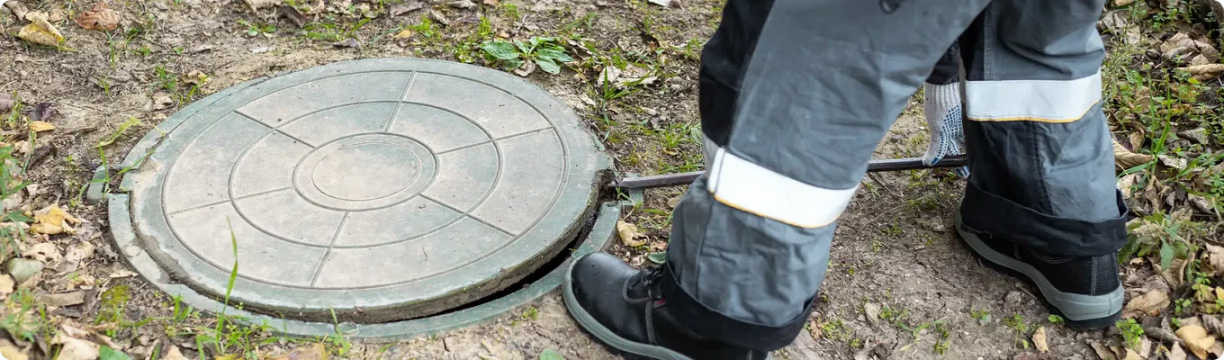
Locating the access point. The inspector starts by finding the sewer cleanout, which is usually a small capped pipe located near the foundation of the home or in the yard. Some homes, especially older ones, may not have an exterior cleanout. In that case, the inspector might need to access the line through an interior drain or by removing a toilet, which can add $50 to $220 to the total cost.
Running water to prepare the line. Before inserting the camera, the inspector will typically run water through the home’s sinks and tubs. This flushes debris from the line, lubricates the pipe walls, and helps the camera glide smoothly through the system.
Inserting and advancing the camera. The inspector feeds a flexible cable with a high-definition waterproof camera into the cleanout opening. The camera has a built-in light and sometimes a transmitter that lets the inspector pinpoint the exact underground location of any problems. As it travels through the pipe toward the municipal connection or septic tank, the camera sends a live video feed to a monitor.
Documenting findings. The inspector notes any issues discovered along the way, recording the type of problem, the distance from the access point, and the severity. Most companies provide a video recording and a written report with recommendations. The whole procedure typically wraps up in 30 to 60 minutes for a standard residential property.
Reviewing results. After the inspection, you’ll sit down with the inspector (or review the report later) to discuss any findings. If problems are identified, the inspector can recommend next steps, whether that’s a simple cleaning, a spot repair, or a full pipe replacement.


Common Problems a Sewer Scope Can Detect
Sewer lines endure constant stress from wastewater, soil pressure, temperature changes, and biological growth. Over time, these forces create problems that are invisible from above ground but can wreak havoc on your home and your wallet. Here are the most common issues a camera inspection can reveal.
Tree root intrusion is the single most frequent problem found during sewer scope inspections. Tree roots naturally seek out moisture, and they can work their way into tiny cracks or joints in sewer pipes. Once inside, they grow and expand, eventually blocking the flow of wastewater or cracking the pipe from within. Root removal alone typically costs $100 to $600, but if the roots have caused structural pipe damage, you’re looking at a much larger repair bill.
Cracked or fractured pipes are especially common in older homes. Ground movement, heavy vehicle traffic above the line, soil settling, and simple aging can all fracture pipe walls. Even small cracks allow groundwater to seep in (called infiltration) or sewage to leak out, both of which erode the surrounding soil and can compromise your home’s foundation over time.
Pipe collapse or bellying happens when a section of the pipe sags, creating a low spot where water and debris collect. Bellied pipes don’t drain properly and are a breeding ground for repeated clogs and backups. A collapsed section is more severe and usually requires excavation and pipe replacement.
Corrosion and deterioration affects older cast iron and clay pipes most. Homes built before the mid-1980s frequently have clay sewer pipes that are brittle and prone to cracking. Cast iron pipes, while more durable, can corrode from the inside out over decades. Modern replacement pipes are typically made from PVC, which resists corrosion and root intrusion far better than older materials.
Blockages from grease, debris, or foreign objects can build up gradually inside the pipe and restrict wastewater flow. While a single clog might be a minor inconvenience, recurring blockages often signal a deeper structural problem that needs professional attention.
How Much Does a Sewer Scope Inspection Cost?
The cost of a sewer scope inspection depends on several factors, including your geographic location, the length of the sewer line, accessibility of the cleanout, and whether any additional work is needed to access the pipe.
For most residential properties, a sewer camera inspection costs between $125 and $500 when performed as a standalone service. If you’re already scheduling a standard home inspection, many companies offer the sewer scope as an add-on for $100 to $250 on top of your base inspection fee. Properties without an accessible cleanout may cost more because the inspector needs to remove a toilet or find an alternative access point, adding $50 to $220 in extra labor.
Geographic location plays a real role in pricing. In lower-cost markets, a basic inspection might run $150 to $300, while higher-cost metro areas can push the price to $500 or more. Emergency or rush service calls can tack on an additional $100 to $300.
To put those numbers in perspective, consider what you’d pay if a problem goes undetected. A straightforward sewer line repair averages around $2,500, according to industry cost data. A complete sewer line replacement averages roughly $5,000 to $7,500 nationally and can exceed $10,000 for longer lines or difficult terrain. Spending a few hundred dollars on a camera inspection before you close on a house is one of the most cost-effective forms of protection available to home buyers.
When Should You Get a Sewer Scope Inspection?
Real estate professionals and plumbing experts generally recommend a sewer scope for any home purchase, regardless of the property’s age. But certain situations make it even more important.
The home is more than 20 years old. Older homes are more likely to have sewer pipes made from clay, cast iron, or Orangeburg (a wood-fiber material that degrades over time). These materials are far more vulnerable to cracking, root intrusion, and collapse than modern PVC. Homes built before 1984 are especially high-risk for clay pipe problems.
Large trees are growing near the sewer line. Mature trees with extensive root systems are the number one cause of sewer line damage. If you can see large trees in the front yard, along the sidewalk, or between the house and the street, there’s a good chance those roots are reaching toward the sewer pipe.
You’ve noticed warning signs during the home tour. Slow drains in multiple fixtures, gurgling sounds from toilets, foul odors near floor drains, wet or soggy spots in the yard, and unexplained pest activity (particularly rodents) can all point to sewer line trouble. Any of these should prompt a sewer scope before you finalize your purchase.
The property has a history of plumbing issues. If the seller’s disclosure mentions past sewer backups, drain cleaning, or plumbing repairs, a camera inspection can confirm whether those issues were fully resolved or if underlying problems remain.
You’re buying in a region with expansive clay soil. Areas with clay-heavy soil experience more ground shifting during wet and dry cycles, which puts extra stress on buried pipes. Parts of the Midwest, Pacific Northwest, and Southeast are particularly prone to this.
How Sewer Scope Results Affect Your Home Purchase
One of the biggest advantages of getting a sewer scope inspection during your due diligence period is the negotiating power it gives you. Depending on how bad the problems are, you have a few choices if the camera shows them.
Before closing, you can ask the seller to finish the repairs. This is normal for problems that aren't too bad, like getting rid of roots or fixing a broken pipe. To make sure the seller's repair quote is fair and the work is done right, you should get an independent estimate from a licensed plumber.
You can ask for a lower price or a credit for repairs. You can ask for a credit at closing that covers the estimated cost of repairs if the seller doesn't want to do them themselves. After you buy the house, you can hire your own contractor. AmeriSave's team has seen buyers get significant price changes based on what they found during the sewer scope. Your loan officer can explain how a repair credit works for your loan type.
You can back out of the deal. If the inspection shows that the line is completely broken or that there are major problems that will cost $15,000 or more to fix, and the seller won't lower the price, your inspection contingency lets you cancel the contract and get your earnest money back. Take a deep breath. It's better to find these problems before closing than after. There will always be another house.
Sewer Scope Inspection vs. Standard Home Inspection
A sewer scope inspection and a standard home inspection look at different parts of the property and have different goals.
Your regular home inspection looks at the parts of the house that are easy to see and get to. The inspector looks at the roof, the outside, the foundation, the attic, the electrical system, the plumbing fixtures, the HVAC, the insulation, the windows, and the doors. They make sure that toilets flush, sinks drain, and water heaters work, but they don't put cameras in pipes that are underground. The ASHI standards say clearly that a general home inspection does not include underground sewer lines.
A sewer scope inspection only looks at the lateral sewer line that runs under the ground. It needs special camera equipment that most home inspectors don't have. Some companies that do home inspections offer sewer scoping as an extra service, while others will send you to a licensed plumber or a company that only does sewer inspections.
The main difference is what each one can catch. Your home inspector might see that the drain is draining slowly and mark it as a problem, but only a sewer camera can tell you if the slow drain is caused by a simple clog, a belly in the pipe, or a tree root that has broken the line in three places. AmeriSave suggests that buyers schedule both inspections during their due diligence period to get the best idea of how a property is doing.
Pros and Cons of Getting a Sewer Scope Inspection
Advantages
The most obvious benefit is that it protects your money. If you find a $5,000 repair before you close, you can talk to the seller about how much it will cost instead of paying for it yourself as a new homeowner. The inspection also gives you peace of mind, which is a good thing in and of itself. I've done enough work at AmeriSave to know that surprises after closing are stressful for everyone, so you should think about anything you can do to make that less likely.
The inspection gives you written proof that you can give to your real estate agent, your lender, and the seller's agent to back up requests for repairs or price negotiations. You also get a record of the pipe's condition that you can use to plan future maintenance.
Disadvantages
The pipe only lets the camera go so far. If there is a big blockage, the inspector may not be able to see past it until they clear it, which costs more. There are also limits to what the inspection can find. It can see inside the pipe, but it can't tell how the soil around the pipe is doing or how long the material will last. And while $125 to $500 is a fair price, it's an extra cost on top of your regular home inspection, appraisal, and other closing costs, which can add up quickly for buyers who are already on a tight budget.
The Bottom Line
A sewer scope inspection is one of the easiest ways to avoid costly surprises when you buy a house. You can see a system that is otherwise completely hidden underground for between $125 and $500. The results can save you thousands of dollars in repairs or give you the power to negotiate with the seller to fix the problem before you close. If you're buying a home that's more than 20 years old, near mature trees, or has drainage problems, you should consider a sewer scope as a must-have part of your due diligence. The inspection is cheap insurance against construction problems you can't see on the surface, even in newer homes. AmeriSave's team is here to help you with every part of buying a home. One of the best things you can do is schedule the right inspections during your due diligence period.
"Standards of Practice." homeinspector.org
American Society of Home Inspectors (ASHI) · homeinspector.org

"Sewer Scope Inspections for Home Inspectors." nachi.org
International Association of Certified Home Inspectors (InterNACHI) · nachi.org
Department of Housing and Urban Development (HUD). "Housing Quality Standards Inspection Form, HUD-52580." hud.gov
U.S · hud.gov
"Your Home Loan Toolkit: A Step-by-Step Guide." consumerfinance.gov
Consumer Financial Protection Bureau (CFPB) · files.consumerfinance.gov
"Existing Home Sales Statistics." nar.realtor
National Association of Realtors (NAR) · nar.realtor

Casey brings extensive mortgage industry experience spanning banking, underwriting, and technology development at AmeriSave. Currently pursuing a Master's of Social Work (MSW) while managing project delivery in digital lending, she specializes in creating consumer-forward mortgage content, calculators, and educational tools for first-time home buyers. Based in Louisville, KY with her husband, two children, two dogs, and two cats, she combines technical expertise with an empathetic, educational approach to home financing.
Frequently Asked Questions
Yes, for most home buyers, a sewer scope inspection is well worth the $125 to $500 investment. Sewer line repairs average around $2,500, and a full replacement can exceed $10,000 depending on pipe length and site conditions. Catching a damaged pipe before closing gives you the leverage to negotiate repairs or a price reduction with the seller. AmeriSave’s buyer’s guide to the home inspection process walks through how to coordinate this and other inspections during your due diligence period. Even when the inspection comes back clean, the peace of mind alone justifies the expense, especially on homes older than 20 years.
No, a standard home inspection does not include a sewer line camera inspection. Home inspectors evaluate visible plumbing fixtures, test drains and faucets, and check for leaks inside the house, but they do not scope underground sewer pipes. Both ASHI and InterNACHI standards of practice exclude underground sewer lines from the general inspection scope. If you want the sewer line evaluated, you need to request a sewer scope as a separate add-on service or hire an independent plumber. AmeriSave’s first-time home buyer guide breaks down the full list of inspections and assessments you should consider before closing.
The buyer typically pays for the sewer scope inspection, just like the standard home inspection and appraisal. The cost is usually paid directly to the inspection company at the time of service and is not financed as part of the mortgage. In some markets, sellers may agree to cover the cost as a concession during negotiations, but this is less common. Your real estate agent can advise you on local customs. For a breakdown of other expenses to plan for, AmeriSave’s guide to closing costs covers what buyers can expect to pay at each stage of the process.
A sewer scope inspection typically takes 30 to 60 minutes for a standard residential property. The time can vary based on the length of the sewer line, the accessibility of the cleanout, and whether any obstructions need to be addressed before the camera can travel the full length of the pipe. Most inspection companies provide a video recording and written report within 24 to 48 hours after the inspection. You can schedule this at the same time as your general home inspection to save a separate trip. AmeriSave’s house closing process guide outlines how to time your inspections within the due diligence window.
If the inspection reveals damage or blockages, you have options depending on the severity. For minor issues like small root intrusion or a partial blockage, you can request the seller handle a cleaning or spot repair before closing. For more serious problems like cracked pipes or a belly in the line, you can negotiate a price reduction or a repair credit. If the damage is severe enough that repairs would cost $10,000 or more and the seller won’t negotiate, your inspection contingency gives you the right to walk away from the contract. A licensed plumber can provide a repair estimate that you and your agent can use during negotiations. Check AmeriSave’s home inspection guide for tips on handling inspection findings.
Yes, and it’s actually a smart move even on new builds. Construction debris, improper connections, and installation damage can all occur during the building process. Industry data suggests that roughly 65% of new construction inspections turn up at least one issue that needs attention, so it’s worth verifying that the sewer line was installed correctly before your builder warranty period expires. Your real estate agent or the builder’s customer care team can help coordinate access for the inspection. AmeriSave works with buyers on all types of home purchases, and your loan officer can walk you through what inspections make sense for your specific situation.
Standard homeowner’s insurance policies typically do not cover sewer line repairs caused by normal wear, tree root damage, corrosion, or ground settling. Coverage usually kicks in only for damage caused by specific covered events like fire, lightning, windstorms, or vandalism, which rarely apply to underground pipes. Some insurers offer a service line coverage endorsement as an add-on, usually for $50 to $100 per year, that extends protection to water, sewer, and other buried utility lines. Ask your insurance agent about this option before closing. For details on how home appraisals work alongside inspections, AmeriSave’s appraisal guide is a helpful resource.