


Should You Buy a Fixer-Upper House in 2026? The Complete Financial Reality Check


 FACT-CHECKEDFACT-CHECKED
Fixer-uppers usually sell for 20 to 30% less than what they're worth on the market, but if you don't plan wisely, the expense of renovations might eat up those savings. The 70% rule protects you: the amount you pay plus the cost of repairs should never be more than 70% of the value after repairs. FHA 203(k) or HomeStyle loans enable you add the cost of repairs to your mortgage, but you need to get contractor estimates up front.
Key Takeaways
- Fixer-upper homes usually sell for 20% to 30% less than their market value, but they need a lot of money for renovations, which can wipe out savings if not planned carefully.
- The 70% rule gives us a way to do math: To make sure you make money, the purchase price plus the cost of repairs should not be more than 70% of the value of the property after repairs.
- FHA 203(k) loans and Fannie Mae HomeStyle mortgages are two types of specialized financing that let you include the cost of renovations in your mortgage. However, you need to get detailed estimates from contractors before you can use these loans.
- According to contractor surveys, hidden problems found during renovations add an average of 20–30% to initial budget estimates. This is why it's important to have extra money set aside.
- For major renovations, you may need to live in a construction zone or find a different place to live for 6 to 12 months.
- For resale value, location is more important than how well the renovations were done. Even homes that have been perfectly renovated have trouble selling in neighborhoods that are going down.

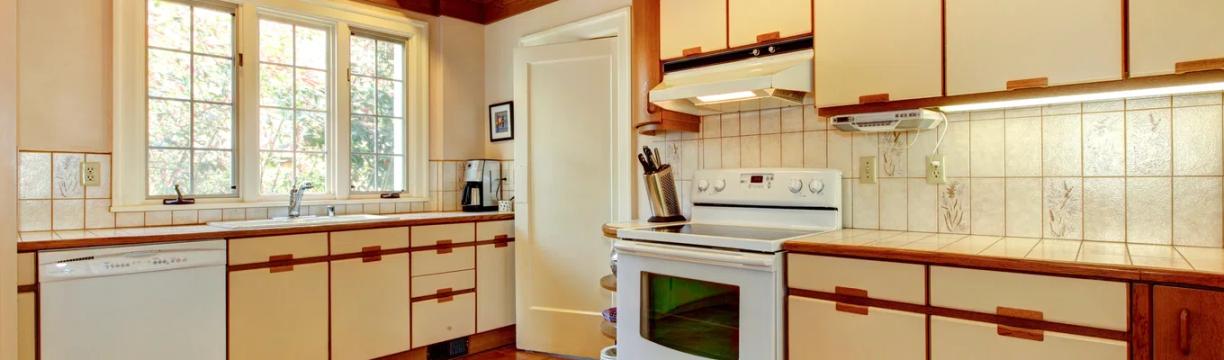
So, my husband texted me a listing for this beautiful 1920s bungalow about ten minutes from our home in Louisville while I was looking over a project proposal for our home buyer education series. Well, “beautiful” is a stretch. The pictures showed that paint was peeling, the kitchen looked like it hadn't been updated since 1987, and the carpet was probably from the Reagan administration. But the bones were very robust and the price was around $180,000, which is a good deal for a house that would sell for $280,000 if someone gave it some TLC.
The first thing that came to mind was excitement. But to be honest, my second thought was fear. I've seen enough home improvement projects go wrong to know that the difference between a great deal and a money pit is about the size of a roof leak that you forgot about.
I'll break it down: buying a fixer-upper isn't just about how good you are with a hammer. It's about whether you can afford what you're really signing up for, how long it will take, and how much stress you can handle. And here's a spoiler: most people seriously underestimate at least two of those three things.

What Does a Fixer-Upper Really Mean?
Before we move on, let's make sure we know what the terms mean. When I'm working with our team on content strategy, I need to be exact. The same thing here.
A fixer-upper is a property that is worth less than what it is worth on the open market because it needs a lot of work before it can be lived in or sold for full price. We're not talking about houses that need a new coat of paint. We're talking about properties that have big problems that make them less safe, less appealing to buyers, or less livable.
The National Association of REALTORS®' 2024 Home Buyer and Seller Generational Trends Report says that about 13% of home purchases were for properties that buyers said needed a lot of work before they could be used. If a typical buyer walked through and saw the condition and then immediately started figuring out how much it would cost to fix it up instead of picturing where their furniture would go, you have a fixer-upper.
The range is very wide, though. At one end, there are cosmetic fixer-uppers that need new floors, updated fixtures, and maybe new kitchen cabinets. Depending on how big they are, these could cost $15,000 to $40,000 to fix up. On the other hand, you have structural problems that need foundation work, rewiring of the electrical system, replacement of the plumbing, or replacement of the roof. Those projects can easily cost more than $100,000.
This is the human side of it: How much your life gets messed up depends on how bad the fixer-upper is. A cosmetic update? You can usually stay in the house while the contractors work on the kitchen. You might even be able to camp out in the bedroom. A gut job? You either live somewhere else or in what is basically a construction site where you also sleep.
The Real Numbers Behind Buying a Fixer Upper
Let me show you the real numbers, because this is where most buyers go wrong. We learned in my MSW program about how financial stress affects families emotionally. Renovation budget surprises are always one of the top three things that stress people out about owning a home.
The 70% Rule Explained
Real estate investors use something called the 70% rule as a quick assessment tool. Here's the calculation:
Maximum Purchase Price = (After Repair Value × 0.70) - Estimated Repair Costs
Let me show you how this works with a real example:
Example Property:
- Current asking price: $180,000
- After-repair value, meaning what it would sell for renovated: $280,000
- Estimated renovation costs: $60,000
Applying the 70% Rule:
- After-repair value: $280,000
- Multiply by 70%: $280,000 × 0.70 = $196,000
- Subtract renovation costs: $196,000 minus $60,000 = $136,000
- Maximum you should pay: $136,000
At the asking price of $180,000, you'd be paying $44,000 more than the 70% rule suggests. That doesn't mean it's automatically a bad deal, especially if you plan to live there long-term. But it does mean your profit margin has evaporated if you're thinking investment property.
The 70% calculation isn't arbitrary. That 30% buffer accounts for several hidden costs most buyers forget:
- Holding costs during renovation, typically mortgage, insurance, and utilities for 4 to 8 months at $2,000 to $3,000 per month equals $8,000 to $24,000
- Closing costs both at purchase and eventual sale, approximately 2 to 3% buying and 6 to 8% selling equals $16,800 to $30,800 on a $280,000 sale
- Unexpected repairs because they always appear, budget 20% above estimate equals an additional $12,000 on a $60,000 project
- Carrying costs if you can't sell immediately with market time varying, budget 3 to 6 months
Add those up and you're looking at $36,800-$66,800 in costs beyond your purchase price and planned renovations.
Breaking Down Renovation Budgets by Category
According to HomeAdvisor's 2024 True Cost Report, here's what major renovation categories actually cost on average nationally:
Kitchen Remodel:
- Minor updates with cosmetic changes and new appliances: $15,000 to $25,000
- Major renovation with new cabinets, countertops, appliances, and some layout changes: $35,000 to $65,000
- Upscale complete gut with high-end finishes and layout redesign: $75,000 to $150,000 or more
Bathroom Remodel:
- Powder room refresh: $5,000 to $12,000
- Full bath update: $12,000 to $25,000
- Primary bath luxury renovation: $25,000 to $60,000 or more
Structural and Systems:
- Roof replacement for 1,500 to 2,000 square feet: $8,000 to $18,000
- HVAC system replacement: $6,000 to $12,000
- Electrical panel upgrade and rewiring: $8,000 to $15,000
- Plumbing repairs or replacement: $4,000 to $12,000
- Foundation repair, highly variable: $4,000 to $30,000
Cosmetic Updates:
- Flooring for 1,000 square feet: $3,000 to $12,000 depending on material
- Interior painting for whole house: $3,000 to $8,000
- Exterior painting: $3,500 to $8,000
- Landscaping overhaul: $4,000 to $15,000
Now here's where reality gets messy. These are average costs. Your costs depend on your geographic area, the quality of materials you choose, whether you're doing any work yourself, and crucially, what surprises are hiding behind those walls.
The Advantages That Actually Matter
Let me be straight with you about the upsides, because they exist. They're just not always what you think they are.
Lower Purchase Price Creates Real Opportunity
The most obvious advantage is legitimate: fixer-uppers sell for less. According to data from Zillow Research's 2024 market analysis, homes listed as-is or described as needing TLC or handyman special sold for an average of 22% less than comparable move-in ready homes in the same neighborhoods.
Think of it like this: in a neighborhood where renovated homes sell for $300,000, you might find a fixer-upper for $230,000 to $240,000. That $60,000 to $70,000 difference is your opportunity. If you can renovate thoughtfully for $40,000 to $50,000, you've created $10,000 to $30,000 in equity immediately, plus you own a home in a neighborhood that might have otherwise been financially out of reach.
That equity matters. Not just as paper wealth, but as options. It's breathing room if something goes wrong financially. It's leverage for future borrowing if you need it. It's the difference between barely affording your mortgage and having a cushion.
Customization Without Compromise
The textbook answer is that fixer-uppers let you customize. But really, here's what that means in practice: you're not compromising on someone else's weird choices.
You know how you tour a house and the kitchen has that bizarre layout where the refrigerator is nowhere near the prep area? Or the primary bathroom has a massive jetted tub that you'd never use, eating up space where you'd rather have a larger shower? In a fixer-upper, those aren't problems you're stuck with. They're decisions you get to make based on how you actually live.
When we converted our garage into a home office a few years ago, we designed it specifically around how our family works. My husband needed space for his desk setup, I needed room for video calls and project planning, and we needed storage for all the kids' sports equipment that was otherwise colonizing our entire first floor. A move-in ready house wouldn't have given us that exact configuration.
Less Competition in Current Markets
This advantage has gotten more pronounced. According to the Mortgage Bankers Association's October 2025 Market Forecast, purchase mortgage applications for move-in ready homes remain highly competitive, with multiple offers common in desirable neighborhoods. But fixer-uppers? The competition pool shrinks dramatically.
Most buyers, especially first-time buyers, want something they can move into immediately. They're already stressed about the down payment, the mortgage, the moving process. Adding "and now you need to project manage a six-month renovation" pushes them into a different house.
That means if you have the financial bandwidth and stress tolerance for renovation, you're competing against a much smaller group of buyers. Often you can negotiate more effectively because sellers of fixer-uppers know their buyer pool is limited.
At AmeriSave, we work with buyers exploring fixer-upper purchases who recognize this advantage, especially when they're targeting neighborhoods where they'd otherwise be priced out of move-in ready options.
Quality Control Through Your Own Choices
Here's something I've learned managing projects: when you control the process, you control the standards. With a fixer-upper, you're choosing the contractors, selecting the materials, and setting the quality expectations.
You want to see the work as it progresses? You can. You want to verify that the electrical work meets code before the walls close up? You can watch the inspection happen. You prefer engineered hardwood over laminate? Your choice. You want to invest in a high-efficiency HVAC system because you're planning to stay 10+ years and the energy savings matter? Go for it.
With a renovated home, you're trusting that whoever did the work made quality choices. Sometimes they did. Sometimes they did the bare minimum to make it look good for the showing. You're finding out which one five years later when problems emerge.
The Disadvantages Nobody Talks About Until It's Too Late
Okay, real talk for a second. The downsides of fixer-uppers are predictable in category but wildly variable in severity. That variability is what makes this decision so hard.
Renovation Costs Always Escalate
Always. Everyone I've talked to who works in construction, every project manager in our field, and every homeowner who's been through this says the same thing: plan for 20 to 30% more than you think you'll need.
The 2024 Renovation Survey from Houzz found that 78% of homeowners said their final costs were higher than what they had originally planned. The average overage was 27%. And listen, these people did plan ahead. These people got inspections, hired professionals, and made detailed budgets. The extra costs happened anyway.
Why? Because renovations reveal issues. You break into a bathroom wall to change the tub and find that the previous owner's brother, who was a handyman, did some creative plumbing that isn't up to code. You're not just changing the tub; you're also changing the plumbing in the bathroom. Your $12,000 bathroom makeover just cost you $18,000.
Or you find out that the framing is rotting when you replace the windows. Or you find out that the whole house needs new wiring while you're updating the electrical panel. Or you take down the kitchen and find that the floor joists are damaged by termites.
Here's the human side of this: surprises in the budget don't just cost money. They take a lot of emotional energy. You've been living in a construction zone for three months now. You're tired, you want it to be over, and now you find out it's going to take another month and cost $8,000 more. That stress affects everything in your life. You have less patience with your family. You don't sleep as well. Your ability to make decisions gets worse.
In my MSW class on how families deal with stress, financial uncertainty is always mentioned as one of the most destabilizing things. Surprises in the renovation budget hit that exact spot.
Timeline Uncertainty Creates Life Disruption
Let me paint you a picture. You close on your fixer-upper on March 1st. The contractor estimates 12 weeks for the major work. You're thinking you'll move in by June 1st. Here's what actually happens:
Week 1 to 2: Contractor starts demo and discovers issue number one with a plumbing problem. Needs to get new permits. Work stops while permitting happens.


Week 3: Work resumes. Dumpster arrives late. Material delivery delayed.
Week 4 to 6: Making good progress. Then the tile you ordered is backordered six weeks.
Week 7: Contractor's crew gets pulled to finish an emergency project for another client. Your project slows.
Week 8 to 10: Work continues, but now you're discovering that the electrical panel upgrade requires more work than estimated. Another permit delay.
Week 11 to 14: Kitchen coming together, but now the appliances you ordered won't be available until next month due to supply chain issues.
Week 15 to 18: Final details taking forever. Painting, fixture installation, punch list items keep appearing.
You move in August 15th. What was supposed to be 12 weeks turned into 24 weeks. If you were paying rent somewhere else during this time, you just paid an extra $9,000 to $12,000 in carrying costs you didn't budget for.
According to the National Association of Home Builders' 2024 Remodeling Report, the average substantial renovation project takes 47% longer than initially estimated. Almost half again as long.
The Hidden Inspection Problem
You get a home inspection before you buy. Obviously. But here's the thing about inspecting fixer-uppers: inspectors can only inspect what they can see and access. They can't see inside walls, under flooring that's not removable, or into sealed areas.
According to the American Society of Home Inspectors' 2024 Industry Report, approximately 34% of major issues discovered during renovation were not identifiable during the pre-purchase inspection. Not because the inspector was incompetent, but because the issues weren't visible or accessible without invasive investigation.
You know what you discover when you start demo? Everything. The roof leak that's been slowly rotting the attic framing. The foundation crack that's hidden behind paneling in the basement. The knob-and-tube wiring that's buried in walls behind newer outlets that made it look like the electrical was updated.
These aren't theoretical problems. These are the calls I get from friends and family: "Casey, we started the renovation and found this problem, what do we do now?" The answer is almost always: fix it, add time, add money, adjust expectations.
Living in a Construction Zone Breaks People
It's hard to put a number on this, but it's real. It's hard to understand how tiring it is to live in a house that's being renovated until you do it.
It takes longer for everything. When you make dinner, you have to move around contractors' tools. Taking a shower means using the one bathroom that still works, even though three other people need it at the same time. Every weekday at 7 AM, there is noise from construction while you sleep. Privacy means... well, it's hard to have privacy when strangers are in your house 40 hours a week.
If you have kids, it's a lot harder. They trip over tools, breathe in construction dust, have to deal with noise while doing homework, and ask "when will it be done?" every day.
A 2023 study from the Journal of Environmental Psychology found that 68% of homeowners said that living in an active renovation caused them a lot of stress, which included trouble sleeping, more family conflict, and less happiness with life during the renovation.
The stress also has an effect on relationships. Renovation decisions need constant communication and agreement. The choice of tile, the style of the cabinets, whether to pay more for the higher-end faucet, and whether this surprise problem is bad enough to be worth the cost. Every choice could lead to a fight, and you're making dozens of choices every week while also being tired and stressed.
Financial Considerations: The Part Everyone Underestimates
Let's talk about money with some actual specificity, because this is where fixer-upper dreams often collide with mathematics.
Renovation Budget Construction
When you're building your renovation budget, you need several distinct categories:
Hard Costs with Materials and Labor: This is what most people think of as the budget. It's the contractor's estimate for lumber, drywall, tile, cabinets, appliances, and the labor to install everything.
For our hypothetical $60,000 renovation, that might break down like this:
- Kitchen renovation: $30,000
- Bathroom updates for 2 bathrooms: $18,000
- Flooring throughout: $8,000
- Painting interior: $4,000
Soft Costs, the Stuff You Forget:
- Permit fees: $1,200 to $3,000 depending on scope
- Architectural and design fees: $2,000 to $5,000 if needed
- Engineering reports for structural or soils: $1,500 to $3,500 if required
- Utility connections and upgrades: $1,000 to $4,000
- Dumpster rental and waste disposal: $800 to $1,500
- Inspection fees at various stages: $600 to $1,200
Total soft costs: $7,100 to $18,200 with an average of $12,000
Carrying Costs:
- Mortgage payments during renovation: $1,800 per month times 6 months equals $10,800
- Property taxes during renovation: $3,000 to $5,000 depending on area
- Insurance during renovation is often higher: $1,500 to $2,500
- Utilities: $300 to $500 per month times 6 months equals $1,800 to $3,000
Total carrying costs: $17,100 to $21,300 with an average of $19,000
Contingency Fund: Remember that 20 to 30% buffer? On $60,000 in hard costs, that's $12,000 to $18,000.
Total True Budget:
- Hard costs: $60,000
- Soft costs: $12,000
- Carrying costs: $19,000
- Contingency: $15,000
- Total: $106,000
See how a "$60,000 renovation" actually requires $106,000 in total available funds? This is where people get into trouble. They have $60,000 saved, they start the project, and suddenly they're scrambling.
Financing Options That Actually Work
Let me walk you through the legitimate financing paths, because knowing these before you start shopping changes what's possible.
FHA 203(k) Rehabilitation Loan:
This program, updated by the Department of Housing and Urban Development in their 2024 Standard 203(k) program revisions, lets you roll renovation costs into your mortgage. Here's how it works:
You're buying that $180,000 fixer-upper. You estimate $60,000 in renovations. With FHA 203(k), you can get a single loan for $240,000 (plus closing costs). The additional $60,000 goes into an escrow account that releases funds as renovation milestones complete.
Requirements:
- Property must become your primary residence
- Minimum $5,000 in renovations (updated from previous $15,000 minimum)
- Must use FHA-approved contractors
- Renovations must complete within 12 months (extended from previous 6-month limit)
- Full architectural plans and contractor bids required upfront
- FHA mortgage insurance applies
Fannie Mae HomeStyle Renovation Mortgage:
Similar concept, different requirements. You can finance up to 97% of the after-repair value, not the purchase price.
Using our example:
- Purchase price: $180,000
- After-repair value: $280,000
- Maximum loan: $280,000 times 0.97 equals $271,600
- Less purchase price: $271,600 minus $180,000 equals $91,600 available for renovations
You'd only need to bring 3% of the after-repair value as down payment, which is $8,400, and you'd have $91,600 available for renovations.
Requirements:
- Property must be your primary residence or can be secondary home or investment
- No minimum renovation amount
- Can include luxury items like pools
- Must complete within 12 months
- Contractor bids and detailed plans required
- Standard conventional mortgage requirements apply
At AmeriSave, we help buyers evaluate whether specialized renovation financing makes sense for their situation, though it's worth noting these products require significantly more documentation and planning than standard purchase loans.
Conventional Financing Plus Separate Renovation Loan:
You can use regular financing to buy the specialized products if they don't work for you, and then get a separate personal loan, home equity loan, or line of credit to pay for the renovations.
The math looks like this:
- Purchase loan: $180,000 with 20% down equals $36,000 plus closing costs
- Personal loan for renovations: $60,000 at 8 to 12% interest
This method gives you more freedom with contractors and the timeline, but you have to pay more interest on the renovation part and qualify for both loans.
Understanding Resale Value Realities
This is critical, and it's where a lot of fixer-upper buyers make expensive mistakes. The textbook answer is that renovations increase home value. But the reality is more complicated.
According to Remodeling Magazine's 2024 Cost vs. Value Report, here's what common renovations actually return when you sell:
- Minor kitchen remodel: 85% cost recovery
- Major kitchen remodel: 54% cost recovery
- Bathroom remodel: 58% cost recovery
- New roof: 107% cost recovery (because buyers demand it)
- New siding: 68% cost recovery
- Window replacement: 69% cost recovery
Notice something? Most renovations don't return their full cost. That $30,000 kitchen remodel adds about $16,200 to your home's value. That's not a good investment if your goal is profit.
But location matters enormously. The same kitchen remodel might return 90% in a strong appreciation market and only 40% in a declining area. CoreLogic's 2024 Market Analysis says that location is responsible for about 60–70% of the difference in resale value, while condition and renovations are only responsible for 30–40%.
In other words, fixing up a house in a neighborhood that is getting worse is almost always a bad idea financially. You're putting money into something that's losing value because of things you can't change.
If you want to make money, buy the worst house in a good, growing neighborhood and fix it up to meet the standards of the neighborhood. Not going over them, but matching them. You won't get your money back if you over-improve your neighborhood.
The Inspection and Estimation Process That Actually Protects You
Okay, so here's what happened when my brother-in-law bought his fixer-upper in 2023. He hired a home inspector, got the standard inspection report, felt good about the disclosed issues, and proceeded. Four weeks into renovation, they discovered extensive termite damage in the floor joists that wasn't visible during inspection. $22,000 in unexpected structural repairs.
Could this have been prevented? Maybe. Here's what a more thorough pre-purchase investigation looks like:
The Multi-Layer Inspection Approach
Layer 1: Standard Home Inspection Cost: $400-$600 What it covers: All visible, accessible systems and components
This is your baseline. Every fixer-upper needs this, minimum. But it's not sufficient.
Layer 2: Specialized Inspections Based on age and condition, consider:
- Structural engineer inspection at $500 to $1,200 for foundation concerns, sagging floors, or crack patterns
- Pest inspection at $75 to $150 for termites, carpenter ants, or wood-boring beetles
- Mold assessment at $300 to $1,000 for water damage areas, musty smells, or visible discoloration
- Chimney inspection at $100 to $250 for masonry issues or flue problems
- Septic inspection at $300 to $500 if property has septic system
- Well testing at $50 to $300 if property has well water
Total additional inspections: $1,325 to $3,500 depending on what's needed
Layer 3: Contractor Walk-Through Before you make your offer, and yes I mean before, bring a general contractor through the property. Not for a bid yet but just for a reality check. Experienced contractors spot problems inspectors miss because they're seeing it through a how would I fix this lens.
Cost: Often free if contractor expects you might hire them, otherwise $100 to $300 for their time.
This step has saved buyers I know tens of thousands of dollars. The contractor sees that the "simple kitchen remodel" actually requires moving gas lines, which means permits and inspections. Or that the foundation issues are more extensive than they appear. Or that the roof, while not leaking currently, has maybe two years of life left.
Getting Accurate Contractor Estimates
Once you're serious about a property, you need actual bids. Not guesses, not ranges from articles (like this one), but real estimates from contractors who've walked the property.
Here's the process:
1. Create a Scope of Work Document
List every single thing you want done. Be specific:
- Replace kitchen: remove existing cabinets and countertops, install 15 linear feet of cabinets with style to be determined, granite countertops, new sink and faucet, replace appliances with specific models to be determined, new flooring
- Bathroom 1: Replace tub and shower surround, new vanity and sink, new toilet, update lighting, new flooring, repaint
The more specific you are, the more accurate the bid will be.
2. Get Multiple Bids
At least three, but five would be better. Not to always pick the cheapest, but to know the range and find the outliers.
If you get bids of $58,000, $62,000, $61,000, $65,000, and $110,000, the one that is much higher than the others is an outlier. It could be that the contractor doesn't want the job. It's possible that they see problems that the others don't. You should look into it before moving forward.
3. Verify License, Insurance, References
For any contractor you're seriously considering:
- Active license verification (check your state's contractor board)
- Current liability insurance (minimum $1M coverage)
- Workers compensation insurance (protects you if someone gets hurt on your property)
- Three recent references for similar-scope projects
- Portfolio of completed work
4. Understand What's NOT Included
Every bid has exclusions. Common ones:
- Permit fees are your responsibility
- Unknowns discovered during demo get charged as change orders
- Upgraded materials beyond builder grade
- Painting unless specifically included
- Cleaning sometimes excluded
You need to know what your $60,000 bid actually includes and what will cost extra.
5. Build in Buffer Time
If the contractor says 12 weeks, plan for 16 to 18 weeks. According to NAHB contractor surveys, 82% of renovation projects exceed initial timeline estimates. Your contractor isn't lying to you. They're giving you their best estimate. But delays happen: material delays, weather if any exterior work, permit delays, discovery of additional problems, subcontractor scheduling.
Finding Fixer-Upper Properties: The Realistic Search
Working with a real estate agent who knows a lot about investment properties or renovations in your target area is the easiest way to go. The National Association of REALTORS®' 2024 Profile of Home Buyers and Sellers says that buyers who used specialized agents for fixer-uppers were 32% happier with the buying process and the results.
Why agents who are experts in their field are important: They know contractors, inspectors, and lenders who know how to finance renovations. They know how to spot problems because they've finished many renovation projects. They know which problems they can handle and which ones are disasters.
Search Strategies Beyond Standard MLS:
- Estate Sales and Probate Properties When someone inherits a house they don't want to move into, they often sell it as-is. These can be good opportunities because the seller may prioritize speed over maximum price.
- Foreclosure Auctions High risk, potentially high reward. You're buying without inspection, often without even entering the property. Only for experienced buyers with significant cash reserves.
- Pre-Foreclosure/Short Sale Properties Houses in foreclosure proceedings but not yet auctioned. These require bank approval of your offer, which can take months. But competition is often lower.
- For Sale By Owner (FSBO) Owners selling without agents, often to save commission, sometimes because the property condition makes agent representation challenging.
- Direct Mail Campaigns to Distressed Properties If you identify rundown properties in your target neighborhood, you can send letters directly to owners expressing interest. Success rate is low but when it works, you often face zero competition.
Red Flags to Walk Away From:
Not all fixer-uppers are worth fixing. According to contractor surveys compiled by HomeAdvisor's 2024 analysis, these issues most commonly resulted in projects being abandoned:
- Major foundation problems with costs typically exceeding $30,000 to $60,000
- Extensive mold requiring professional remediation plus source repair
- Outdated septic system requiring replacement at $15,000 to $50,000
- Well water with contamination issues requiring new well drilling
- Extensive fire or flood damage beyond cosmetic repair
- Properties in flood zones requiring elevation, potentially $100,000 or more
- Asbestos throughout that requires professional abatement
- Zoning issues that prevent intended use
The math is simple: if the worst case cost exceeds your maximum budget by 50% or more, walk away. If the property needs $100,000 in work and your maximum budget is $60,000, it doesn't matter how good the price is.
The Realistic Timeline for Fixer-Upper Purchase and Renovation
Let me walk you through what the actual calendar looks like, because understanding the timeline helps you plan everything else:
Month 1: Search and Offer
- Weeks 1-3: Property search, attend showings, identify targets
- Week 4: Make offer, negotiate, reach agreement
Month 2: Due Diligence
- Week 1: Home inspection and specialized inspections
- Week 2: Contractor walk-throughs and get preliminary estimates
- Week 3: Secure financing and finalize purchase details
- Week 4: Close on property
Months 3 to 4: Pre-Construction
- Week 1 to 2: Finalize contractor bids, sign contracts, secure permits
- Week 3 to 4: Order materials for long lead-time items like cabinets and windows
- Throughout: Secure additional permits as needed and finalize design decisions
Months 5 to 8: Active Construction
- Weeks 1 to 2: Demolition and rough inspections
- Weeks 3 to 8: Rough-in work including framing, electrical, plumbing, and HVAC
- Weeks 9 to 12: Installation with drywall, flooring, cabinets, and tile
- Weeks 13 to 16: Finish work including painting, fixtures, trim, and final installations
Month 9: Completion and Move-In
- Week 1 to 2: Punch list completion and final inspections
- Week 3: Certificate of occupancy if required
- Week 4: Move in
Total timeline: 9 months from starting your search to moving in.
This is based on the idea that everything will go pretty well. If you add in things like delays in getting permits, problems with scheduling contractors, problems with getting materials, or finding major problems, you could be looking at 11 to 14 months.
If you're renting while this is going on, you're paying $1,500 to $2,500 a month for 9 months, which adds up to $13,500 to $22,500 in rent you wouldn't have to pay if you bought a move-in ready home. You need to take that into account when figuring out if you saved money.
Living Situations During Renovation
Here's the decision most fixer-upper buyers agonize over: where do we live during this?
Option 1: Live Elsewhere such as Rent, Stay with Family, or an Extended Hotel
Pros:
- No construction zone stress
- Work can proceed faster because contractors aren't working around your schedule
- No safety concerns with kids or pets around construction
- You're not breathing construction dust daily
Cons:
- Additional housing costs at $1,500 to $2,500 per month
- Double move first into temporary housing then into renovated house
- Less oversight of renovation progress
Best for: Major renovations where kitchen and bathrooms are gutted, making daily living impractical.
Option 2: Live in the House During Renovation
Pros:
- No additional housing costs
- Constant oversight of work quality
- Can make real-time decisions as questions arise
- Single move
Cons:
- Significant stress and life disruption
- Contractors working around your schedule (slower project)
- Living without full kitchen/bathroom facilities
- Safety concerns, especially with children
- Breathing construction dust, dealing with constant noise
Best for: Cosmetic renovations or phased renovations where one part of house remains livable.
Option 3: Phased Approach
Renovate in stages, moving around the house as different areas complete. For example:
- Phase 1: Main floor kitchen and bathroom while living upstairs
- Phase 2: Upstairs bedrooms and bathroom while living on main floor
- Phase 3: Basement or bonus areas
Pros:
- Stay in the house but maintain some normalcy
- Spread renovation costs over time if needed
- Each phase has clear completion point
Cons:
- Project drags out for months or years
- Living in partial construction zone
- Some phases may require moving belongings multiple times
According to renovation surveys, approximately 58% of homeowners doing substantial renovations choose to live elsewhere during the major work phases, despite the additional cost.
State and Local Permitting Requirements
This section might sound boring, but skipping permits creates massive problems. In Louisville, where I live, permit enforcement has gotten significantly stricter in the past few years. Inspectors are checking, and unpermitted work creates problems when you try to sell.
Renovations That Almost Always Require Permits:
According to the International Code Council's 2024 building code updates adopted by most municipalities:
- Structural modifications such as removing walls, adding rooms, or foundation work
- Electrical work including panel upgrades, new circuits, or substantial rewiring
- Plumbing modifications like moving fixtures, adding bathrooms, or recipe work
- HVAC installation or substantial modifications
- New windows or doors that change opening size
- Roofing replacement in most jurisdictions
- Siding replacement sometimes
- Deck or patio construction beyond certain square footage
Renovations That Often Don't Require Permits:
- Painting
- Flooring replacement at same level with no structural changes
- Cabinet installation without plumbing or electrical modifications
- Interior cosmetic updates like trim or fixtures that don't require new rough-in
- Landscaping unless major grading changes
The specific requirements vary by municipality. Your contractor should know local requirements, but you're ultimately responsible. If they do unpermitted work, you face the consequences when you sell.
Permit Process Basics:
- Submit detailed plans and specifications to building department
- Pay permit fees ranging from $200 to $3,000 depending on scope
- Receive permit approval in 1 to 6 weeks depending on complexity
- Schedule inspections at required stages for rough-in and final
- Receive certificate of completion or occupancy
Permit costs and timeline delays must be factored into your budget and schedule.
DIY vs. Contractor Work: The Math That Actually Matters
The textbook answer is "DIY saves money." But the real answer is more complicated, because your time has value and your skill level matters enormously.
Projects Where DIY Typically Makes Sense:
- Painting (interior and exterior)
- Demolition (removing old fixtures, cabinets, flooring)
- Simple flooring installation (laminate, luxury vinyl plank)
- Landscaping and yard work
- Cabinet painting or refinishing
- Basic carpentry (trim, shelving installation)
- Tile work (if you have patience and learn proper technique)
Potential savings: 40-60% of contractor costs for these items
Projects Where DIY Is Risky:
- Electrical work (risk of fire, code violations, electrocution)
- Plumbing (risk of leaks, water damage, code violations)
- Structural modifications (risk of collapse, code violations)
- HVAC work (requires specialized knowledge and tools)
- Roofing (safety risk, warranty concerns)
- Foundation work (requires expertise and specialized equipment)
Potential savings: 30-50% of contractor costs, but risks often exceed savings
The real calculation looks like this:
DIY Painting Example:
- Contractor cost: $4,000 for whole house interior
- DIY cost: $600 in materials including paint, brushes, tape, and drop cloths
- Your time: 80 hours over 2 to 3 weeks
- Savings: $3,400
- Value of your time: $3,400 divided by 80 hours equals $42.50 per hour
If you make substantially more than $42.50 per hour at your job and could work extra during those hours, DIY may not actually save money. But if you'd be using personal time anyway, or if you enjoy the work, the savings are real.
DIY Electrical Example:
- Contractor cost: $3,500 for panel upgrade and rewiring
- DIY cost: $1,200 in materials if you even knew what to buy
- Your time: 40 hours if you knew what you were doing, which you probably don't
- Risk cost: If done wrong, potential house fire meaning loss of everything, failed inspection meaning have to pay contractor to redo, and injury risk
- Actual savings: Negative
Some work should always be contracted out. The risks exceed any potential savings.
Making the Smart Offer on a Fixer-Upper
Once you've found a property you want, making a smart offer requires balancing several factors.
Offer Price Calculation:
Start with that 70% rule calculation:
- After-repair value: $280,000
- Multiply by 70%: $196,000
- Estimated renovation costs: $60,000
- Maximum offer: $136,000
But that's your maximum. Your opening offer should typically be 10 to 15% below that, expecting negotiation. So maybe $115,000 to $125,000.
Contingencies to Include:
- Inspection Contingency: Allows you to back out or renegotiate if inspection reveals major issues. Standard 10 to 14 day inspection period.
- Appraisal Contingency: If the property appraises for less than your offer, you can renegotiate or cancel. This matters because lenders won't loan more than appraised value.
- Financing Contingency: If you can't secure financing, you can cancel. Standard 30 to 45 days.
- Specific Issue Contingency: If you already know there's a questionable item like roof condition or septic system age, you can make your offer contingent on satisfactory evaluation of that specific issue.
Items to Negotiate:
- Purchase price: Obviously
- Closing costs: Seller contribution toward your closing costs
- Repairs: Seller agreement to handle specific repairs before closing
- Appliances/fixtures: What stays, what goes
- Closing date: More time means more opportunity for thorough inspection and financing
According to NAR's 2024 buyer survey data, successful fixer-upper negotiations typically involved 2 to 4 rounds of offer and counteroffer before reaching agreement, with final sale prices averaging 8 to 12% below initial asking price.
When to Walk Away:
You've done your inspections, you've gotten contractor bids, and now you're realizing this property is going to cost significantly more than you thought. When do you walk away?
Use this decision framework:
- If total costs meaning purchase plus renovation plus carrying costs exceed 80% of after-repair value, walk away
- If major structural issues exceed $40,000 to $50,000 in repairs, walk away
- If renovation timeline exceeds 12 months for substantial work, walk away
- If you're emotionally attached and making decisions from emotion rather than math, walk away
The best fixer-upper deal is the one you don't do because the numbers didn't work.
At AmeriSave, we help buyers run these calculations before they get emotionally invested, providing clarity on what's financially feasible within their budget and risk tolerance.
Mortgage Complaint Report. consumerfinance.gov
Consumer Financial Protection Bureau · 2024 · consumerfinance.gov

Market Analysis Report. corelogic.com
CoreLogic · 2024 · corelogic.com
(2025, October). Home Price Index and Market Analysis. corelogic.com
CoreLogic · corelogic.com
Standard 203(k) Program Guidelines. hud.gov/program_offices/housing/sfh/203k
Department of Housing and Urban Development · 2024 · hud.gov
Housing Market Data. federalreserve.gov
Federal Reserve · 2024 · federalreserve.gov
CHOICERenovation Mortgage Program Guidelines. freddiemac.com
Freddie Mac · 2024 · freddiemac.com
Primary Mortgage Market Survey. freddiemac.com/pmms
Freddie Mac · 2024 · freddiemac.com
True Cost Report: Home Renovation Costs. homeadvisor.com
HomeAdvisor · 2024 · homeadvisor.com
Renovation Survey: Budget and Timeline Analysis. houzz.com
Houzz · 2024 · houzz.com
Building Code Updates. iccsafe.org
International Code Council · 2024 · iccsafe.org
Renovation Stress and Family Dynamics Study. sciencedirect.com
Journal of Environmental Psychology · 2023 · sciencedirect.com
(2025, October). Market Forecast Report. mba.org
Mortgage Bankers Association · mba.org
Remodeling Report and Contractor Survey Data. nahb.org
National Association of Home Builders · 2024 · nahb.org
Home Buyer and Seller Generational Trends Report. nar.realtor
National Association of Realtors · 2024
Profile of Home Buyers and Sellers. nar.realtor
National Association of Realtors · 2024
Cost vs. Value Report. remodeling.hw.net
Remodeling Magazine · 2024 · remodeling.hw.net
Industry Report on Pre-Purchase Inspections. homeinspector.org
The American Society of Home Inspectors · 2024 · homeinspector.org
Home Value and Market Analysis Data. zillow.com/research
Zillow Research · 2024 · zillow.com

Casey brings extensive mortgage industry experience spanning banking, underwriting, and technology development at AmeriSave. Currently pursuing a Master's of Social Work (MSW) while managing project delivery in digital lending, she specializes in creating consumer-forward mortgage content, calculators, and educational tools for first-time home buyers. Based in Louisville, KY with her husband, two children, two dogs, and two cats, she combines technical expertise with an empathetic, educational approach to home financing.
Frequently Asked Questions
The only types of mortgages that don't require a down payment are VA loans for veterans who qualify and USDA loans for homes in certain rural areas. Both programs require that the home be your main residence and that it meet certain minimum standards for property condition. Veterans Affairs lending data from 2024 says that VA loans can be used for homes that need repairs, but the home must be livable when the loan closes. The property must be in better shape for USDA loans. If you want to buy a fixer-upper without putting any money down, you might only be able to make cosmetic changes instead of big ones to the systems or structure. Most people who buy a fixer-upper need to put down at least 3% to 5% of the purchase price and get money to pay for the repairs. If they want to use traditional financing, they need to put down 20% and get separate money for the repairs. To buy a fixer-upper with no money down, you need to use a special renovation loan like the FHA 203k. This loan still requires a down payment of at least 3.5% of the total project cost.
It all depends on the state of your local market, how well you stick to your renovation budget, and how long you have to finish the work. CoreLogic's market analysis from October 2025 says that home values in most major metro areas have gone up 4 to 6% each year for the past three years. This means that buying fixer-uppers in neighborhoods that are going up in value could be a good investment. However, NAHB data shows that contractor costs have gone up 18% since 2022, and labor shortages have made projects take longer, which has cut into profits. If you're buying in a neighborhood that is going up in value, can accurately estimate renovation costs within 15% of what they will actually be, have enough money set aside to deal with surprises, and plan to keep the property for at least three to five years, a fixer-upper can be a great investment. If you're buying in a neighborhood that's going down, don't plan to flip it quickly (in less than 18 months), or don't have extra money set aside for budget overruns, it's usually not a good investment. Instead of asking yourself if this is a good investment, ask yourself if your numbers work in your market.
Use the full formula: For a comfortable profit margin, the purchase price, total renovation costs, soft costs, carrying costs, and contingency must all be less than 75% of the after-repair value. This is an example of how to do it: You see a house for sale for $180,000 that would sell for $280,000 after it has been fixed up. Your contractor says that the work will cost $60,000. Add $12,000 in soft costs like permits and fees. Add $19,000 in carrying costs over six months for the renovation. Put aside $15,000 for unexpected costs, which is 20% of the total. The total amount you would invest would be $286,000, which is $180,000 plus $60,000 plus $12,000 plus $19,000 plus $15,000. That is more than your after-repair value of $280,000, which means you would lose money. You can only buy this property if you can get the price down to between $130,000 and $140,000, or if your estimate of the home's value after repairs is low and it would actually sell for between $310,000 and $320,000. You can quickly find your maximum purchase price by using the 70% rule: multiply the after-repair value by 0.70 and then subtract the total cost of the renovation. In this case, $280,000 times 0.70 equals $196,000. Then, $60,000 in hard costs is taken away, leaving a maximum purchase price of $136,000.
The Remodeling Magazine's 2024 Cost vs. Value Report says that the renovations that give the best return on investment are: minor kitchen remodels (85% cost recovery), bathroom additions (63% cost recovery), roof replacement (107% cost recovery because buyers want it), and HVAC system replacement (95% cost recovery). But the real value added depends a lot on what is normal in the neighborhood. If all the other homes in your neighborhood have updated kitchens, remodeling your kitchen will bring your home up to market standards, not above them. You're not making something better; you're getting rid of something bad. Put most of your renovation money toward fixing things that could ruin the deal, like broken systems like the roof, HVAC, plumbing, and electrical, and bringing the kitchen and bathrooms up to neighborhood standards. Anything more than that usually costs less than 60% of what it costs. The biggest mistake that people who buy fixer-uppers make is putting in too many luxury features that don't add value because homes in the area don't support that value. You should aim to meet the neighborhood standard, not go above it.
According to the National Association of Home Builders, major renovations that involve more than one room and system take an average of 6 to 9 months from getting a permit to finishing the work. About 47% of projects take longer than expected. If there are no structural problems, cosmetic changes like painting, flooring, and updating fixtures could be done in 6 to 8 weeks. Once the materials are ordered and delivered, kitchen renovations usually take 8 to 12 weeks. It usually takes 4 to 6 weeks to completely remodel a bathroom. Renovating a whole house with changes to multiple systems, the structure, and the design usually takes 9 to 14 months. According to surveys of contractors, the most common reason for delays is finding hidden problems during demolition. This happens in about 73% of renovation projects. Since 2022, delays in getting materials have become more common. For example, custom cabinets, windows, and some tile choices can take 8 to 16 weeks to get from order to delivery. Add 40 to 50% more time to the contractor's estimate when making your timeline so that you have realistic expectations. Plan for 14 to 15 weeks if a contractor says 10 weeks. If they say six months, plan on eight to nine months. This keeps you from worrying about money because of delays you didn't see coming and helps you plan your living arrangements more accurately.
Fixer-uppers need more than just a regular home inspection; they need a special look at any major problems that could cost a lot of money. The American Society of Home Inspectors says that you should first check the structural integrity of the house, including the foundation, floor, and roof framing, as well as the age and capacity of the electrical system, looking for old 60-amp panels or knob-and-tube wiring; the plumbing system's materials and condition, since replacing galvanized pipes can cost between $8,000 and $15,000; the HVAC system's age and functionality, since replacing it can cost between $6,000 and $12,000; and any signs of water intrusion, such as mold, rot, or staining, which could mean that there have been or are leaks. Get a pest inspection that looks for termites, carpenter ants, and wood-boring beetles. Damage from these pests can cost $10,000 to $30,000 to fix. If the property has a septic system, you should have it pumped and inspected completely. Replacing a septic system can cost between $15,000 and $50,000. Check the quality of the water in the well and make sure the well is deep enough and the pump is working. If you see cracks in the foundation, sagging floors, or gaps between walls and ceilings, you should have a structural engineer look at them. These could be signs of costly structural problems. The goal is to find any problems that could cost more than $10,000 to fix before you buy.
For a standard conventional or FHA mortgage, the property must meet minimum property standards, which means it must be safe, sound, and clean. If a house has missing handrails, exposed wiring, broken heating, structural damage, or other safety problems, it won't be able to get traditional financing. This is when specialized renovation mortgages are very important. FHA 203k loans let you buy a home and make repairs with one loan. The property doesn't have to meet standards at the time of purchase because the repairs are included in the loan. Fannie Mae HomeStyle renovation loans do the same thing for traditional loans. Before a loan can be approved, these programs need detailed contractor bids, architectural plans, and sometimes even engineer reports. The lender keeps the money for renovations in an escrow account and gives it to the borrower as work is done and inspections are passed. Freddie Mac's lending data from 2024 shows that about 3% of purchase mortgages included renovation financing programs. If the property is in such bad shape that it can't even get renovation financing, you'll need to buy it with cash or get a hard money loan with high interest rates for a short time. Before you spend time and money on inspections, AmeriSave can help you figure out if your target property and renovation plans are compatible with the financing options that are available.
This nightmare situation happens more often than buyers think it will. According to data from a Houzz renovation survey, about 22% of homeowners said they ran out of money for their renovation before it was done and had to get more money. You can stop work at a logical pause point and save more money if you've done enough to make the space usable but are still living in partial construction. You can also take out a personal loan to finish the work at 8 to 12% interest rates, but you need to have qualifying income and credit. If you have enough equity, you can set up a home equity line of credit, but the property must be at least minimally habitable. You can also borrow from retirement accounts like 401k plans, but this is usually not recommended because of tax implications and lost growth. Finally, you can bring in family funding with clear repayment terms. It's clear that prevention is better: before you start, set aside an extra 25 to 30% of what your contractor says it will cost. If you have $60,000 to spend on renovations, you should have $75,000 to $78,000 ready. Some buyers cut back on the scope of their renovations halfway through the project, only finishing the most important systems and structural work and putting off cosmetic updates. You could finish the kitchen renovation but put off the bathroom upgrade, finish the flooring but put off the deck addition, or put in builder-grade fixtures now and upgrade them later. The worst thing that can happen is to stop in the middle of a project with major systems exposed or unfinished. This is dangerous and can cause more damage from being outside in the weather.
There isn't one right answer; it depends on your priorities, skills, and money situation. If you have a renovation budget plus 25 to 30% more than your down payment and closing costs, can handle 6 to 12 months of construction disruption or pay for alternate housing, have time to oversee contractor work or enough trust to monitor remotely, can handle timeline uncertainty and budget surprises without too much stress, and want to build equity through forced appreciation in a neighborhood you couldn't otherwise afford, then you should buy a fixer-upper. Buy move-in ready if you need to move in right away for work or family reasons, don't have the money to deal with unexpected renovation costs, can't handle the disruption of construction with your current life situation (like having young children, health problems, or a busy work schedule), prefer predictable monthly costs to changing renovation costs, or value your time much more than the money you could save. According to NAR buyer data, 83% of first-time buyers choose homes that are ready to move into, while 28% of repeat buyers with more equity and experience choose homes that need work. You can only save money on fixer-uppers if you accurately estimate costs, manage the project well, and don't go over budget by more than 20% to 25%. If you're not sure what to do, "move-in ready" is probably the safer choice. Buyers who go into a fixer-upper with their eyes wide open about the problems are the best ones. Buyers who romanticize the process are not.
Before you make your offer, do the full value analysis. To figure out the after-repair value, look up recently sold homes in the same neighborhood that are in great shape and are similar in size. Databases of property values, like Zillow, show recent sale prices. However, for accuracy, use actual closed sales from your real estate agent's MLS access. Then add up all the costs: the purchase price, the hard renovation costs (materials and labor), the soft costs (permits, inspections, and fees), the carrying costs (mortgage, tax, insurance, and utilities during the renovation), and 25% for unexpected expenses. If your total costs are more than 75% of the value of the property after repairs, you are likely to lose money or just break even. For quick filtering, use the 70% rule: take the after-repair value and multiply it by 0.70, then take away the estimated hard renovation costs. The result is the most you can pay for a profitable outcome. If the sellers won't agree to that number or lower, and you're buying it as an investment instead of a long-term home, walk away. You can be less strict when buying a primary residence if you plan to live there for 7 to 10 years because you're getting more out of the home than just making money. But you shouldn't pay so much that you would lose money if you had to sell in three to five years. CoreLogic market data shows that you need at least 20% equity cushion to ride out short-term market changes without losing money.