


Pest Inspection Requirements for Mortgages: 2026 Complete Guide


 FACT-CHECKEDFACT-CHECKED
In 35 or more states where termites are a moderate to high risk, VA loans require pest inspections. FHA loans only require them when appraisers find signs of an infestation. Inspections cost between $50 and $200 and take about 30 minutes to an hour. This is a small amount of money that can save you thousands of dollars in structural damage later on.
Key Takeaways
- Pest inspections are mandatory for VA loans in 35+ states and territories where termite infestation risk is rated "moderate to heavy" or "very heavy," according to the U.S. Department of Veterans Affairs
- FHA loans require pest inspections only when appraisers identify evidence of wood-destroying insects or active infestation, though some states mandate them regardless of appraisal findings
- The average cost of a pest inspection ranges from $50 to $200, with VA borrowers now allowed to pay for required inspections as of June 2022
- Inspections typically take 30 minutes to one hour and cover wood-destroying pests including termites, carpenter ants, powder post beetles, and carpenter bees
- Reports are valid for 90 days and must use the NPMA-33 form for VA loan compliance
- Texas recently joined the states requiring pest inspections for VA loans, affecting Dallas-Fort Worth area buyers

Here's the deal with pest inspections. I've been lending money for mortgages for 15 years. I've seen deals fall through because buyers didn't know when these inspections were important. Knowing the rules ahead of time will save you time and money, whether you're getting a VA loan in Texas or an FHA loan in Florida. And a lot of anger.

What is an inspection for pests?
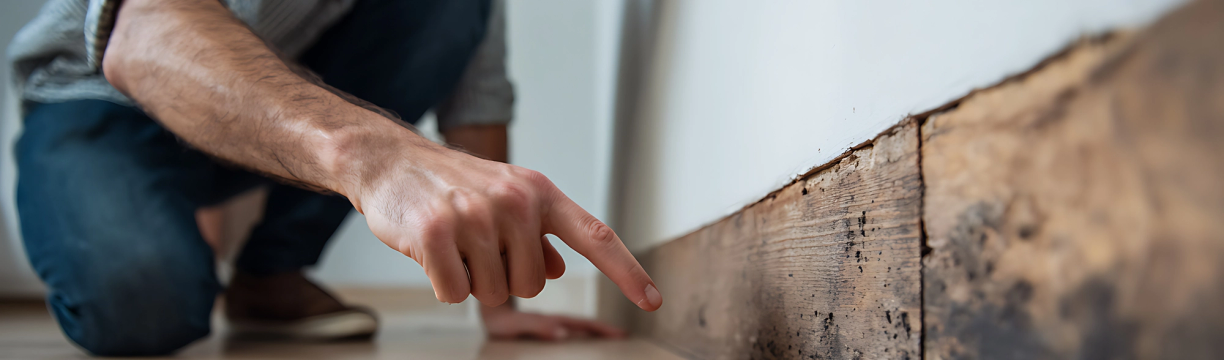
A pest inspection is a specific type of property inspection. It only looks at bugs and organisms that destroy wood. A pest inspection only looks at one specific threat, while a regular home inspection looks at everything from the roof to the foundation. Pests that eat or damage the wood that makes up the structure.
The inspection looks for both underground and above-ground termites. Carpenter ants that make nests by hollowing out wood. Beetles that make powder. Bees that work as carpenters. Some fungi are wood-boring organisms. These aren't just annoying things. The National Pest Management Association says that termites alone cause more than $5 billion in damage to homes and businesses in the US every year.
This is what most borrowers don't expect. This damage won't be covered by your homeowners insurance. Yes, that's right. If you buy a house and find out six months later that it has termites, you'll have to pay for the treatment and repairs yourself. That's why lenders care so much about this. Especially when it comes to loans backed by the government.
What Sets Pest Inspections Apart from Home Inspections
A home inspection is a full evaluation of a property. A general home inspector looks at the electrical systems. Plumbing. HVAC systems. Condition of the roof. Integrity of the foundation. Everything that makes a house work, basically. These checks usually cost between $300 and $500. It takes them two to four hours.
Pest inspections cover a smaller area but go into more detail about certain areas of expertise. A licensed pest control expert looks for signs of wood-destroying bugs in areas that are easy to see and get to. They're taught how to find mud tubes, which are the pencil-thin tunnels that termites make. Patterns of damage to wood. Droppings from bugs. Circumstances that make one susceptible to infestation. It usually takes 30 to 60 minutes. Costs between $50 and $200.
Both are important but serve different purposes in keeping your money safe.
Are you ready to start the process of buying a home with confidence? At AmeriSave, our loan experts will help you through every step of the mortgage process, from understanding what inspections are needed for your loan type to closing the deal. Get preapproved today to find out what you can get.
When do you need to have a pest inspection?
It all depends on what kind of loan you have. And where the property is. The rules are very different, so let me go over each mortgage program.
Requirements for VA Loans
In 35 states and territories, pest inspections are required if you have a VA loan. The Department of Veterans Affairs has marked these areas as having a "moderate to heavy" or "very heavy" risk of termite infestation. The VA quietly changed its local requirements map on July 1, 2025. They added new counties, some of which are in Colorado. These counties had been exempt in the past because of the dry climate.
Alabama, Arizona, Arkansas, California, Connecticut, Delaware, the District of Columbia, Florida, Georgia, Hawaii, Illinois, Indiana, Kansas, Kentucky, Louisiana, Maryland, Massachusetts, Mississippi, Missouri, New Jersey, New Mexico, North Carolina, Ohio, Oklahoma, Puerto Rico, Rhode Island, South Carolina, Tennessee, Texas, Utah, Virginia, West Virginia, the U.S. Virgin Islands, Guam, and American Samoa are the 35 states that require automatic pest inspections for VA loans.
If the VA appraiser finds evidence of wood-destroying insects in their appraisal report, pest inspections are only required in the following states: Alaska, Colorado (partial), Idaho, Iowa, Maine, Michigan, Minnesota, Montana, Nebraska, Nevada, New Hampshire, New York, North Dakota, Oregon, Pennsylvania, South Dakota, Vermont, Washington, Wisconsin, and Wyoming.
This is the part that trips people up. Even in states that are "exempt," different counties may have different rules. Even though Colorado has a generally dry climate, some counties now require inspections. Hold on a second. I want to make that clear. The VA has a map of each county on their website. Before you make an offer, I strongly suggest that you check it out. Just because the state is generally exempt doesn't mean your property is.
VA Cash-Out Refinances vs. IRRRLs
You need to get an appraisal for VA purchase loans and cash-out refinances. In certain areas, this starts the need for a pest inspection. But VA Interest Rate Reduction Refinance Loans (IRRRLs), which are often called VA streamline refinances, usually don't need appraisals. This means that the borrower doesn't need to have a pest inspection done unless they are paying discount points to lower the rate.
Requirements for FHA Loans
The rules for FHA loans are different. In certain parts of the country, the Federal Housing Administration doesn't automatically require pest inspections. Instead, the FHA appraiser must look for signs of wood-destroying pests on the foundation and around the building during the normal appraisal process.
If the appraiser sees any of these warning signs, a full pest inspection is required:
Mud tubes on the walls or concrete of the foundation, damage to wood near the foundation, piles of insect wings near windows or doors, visible signs of active termites or other wood-destroying insects, and marks or documents from previous treatments.
Also, some states and local governments require pest inspections for FHA loans, no matter what the appraisal says. Florida is a good example of a state where termite inspections are usually required because the state has a high number of infestations all the time.
Requirements for a Conventional Loan
Conventional loans, which are not backed by the government, let each lender decide whether or not to inspect for pests. Most lenders don't need them unless the appraiser points out certain problems or the property is in a high-risk area. Even if you don't need one, I always suggest getting one. You could save thousands of dollars on repairs in the future by spending $100 to $200 now.


We work with all kinds of loans at AmeriSave and know what each one needs. Our team will clearly explain the inspection requirements and timeline expectations for you, whether you're a veteran looking into VA loans or a first-time buyer looking into FHA financing.
Who Can Do a Pest Inspection?
Not everyone can do a pest inspection for a mortgage. The VA and FHA say that only licensed pest control companies that meet state-specific certification requirements can do inspections. The inspector needs to have special training. They need permission to use the NPMA-33 form to make official reports. This is Form 33 from the National Pest Management Association.
This is the standard format that all VA loans must use to report. Some inspectors might use a version of this form that is specific to their state. But the NPMA-33 is required for VA loans only. If you use the wrong form, your loan approval could be delayed. Sometimes for weeks. You wait for a re-inspection with the right papers.
Check that the pest control company you choose has a current license from the state. Experience with inspections that have to do with mortgages. For VA loans, use the NPMA-33 form. Can give you reports on time with your loan. Get the right kind of liability insurance. All of these are important.
What does a pest inspection really mean?
The inspection process is done in a methodical way. It is meant to find both current infestations and situations that make properties more likely to have pest problems in the future.
Look for active infestations
The inspector looks at every part of the property that can be seen. This includes the base. Basement or crawl space. Attic. Garage. Outside edge. They're looking for certain pests that are common in the area.
The most common and harmful type of termite is the subterranean one. Termites that live above ground. Carpenter ants make nests by hollowing out wood. Beetles that make powder. Bees that live in carpentry. Fungi and organisms that eat wood.
Mud tubes on the foundation walls are a sign of an infestation. Wood that sounds empty when you tap it. There are a lot of insect wings near the windows. Small holes in the wood that lead out. Frass is the droppings of insects that look like sawdust.
Check for damage to the structure
After the inspector finds signs of pests, they look for any damage to the structure. This step checks to see if the damage makes the house less stable. Or safety. Floor joists, support beams, wall studs, roof rafters, door frames, and window sills are all things that people are often worried about.
Damage can be as minor as cosmetic problems on the surface or as serious as structural failures that need to be fixed right away. The report from your inspector will group the results. Usually, this goes into Section 1, which is for damage that needs to be fixed. And Section 2 talks about conditions that make it easier for pests to take over in the future.
Give Detailed Documentation
The inspector sends a full report to your lender. Usually within one to two business days. This report tells you what pests were found. Where damage or infestations were found. How much the structure is damaged. Suggested repairs or treatments.
This report cannot lead to a Notice of Value being sent out for VA loans until all necessary treatments have been finished and verified. Before the loan can close, all repairs must be done for FHA loans.
Suggestions for treatment and repair
The inspector suggests certain treatments if they find pest problems. These could include treating the soil around the foundation with chemicals, treating the wood directly for active infestations, fumigating for severe widespread infestations, removing and replacing damaged structural parts, fixing moisture or ventilation problems, and setting up ongoing monitoring and retreatment schedules.
The cost of treatment varies greatly depending on how bad the infestation is. A small, localized treatment could cost between $500 and $1,500. Depending on the size of the house and how bad the infestation is, whole-house fumigation can cost between $2,000 and $8,000 or more.
What You Will Actually Pay: A Breakdown of Costs
This is the breakdown of the numbers that borrowers always ask me about. I've been answering these same questions all week. It usually costs between $50 and $200 to have the inspection done. Most people who borrow money pay between $100 and $150. The size of the property affects the cost because larger homes take longer to inspect. The type of property also affects the cost because multi-story homes or homes with large crawl spaces cost more. The location also affects the cost because areas with a high cost of living charge more. Finally, accessibility issues make it take longer to inspect areas that are hard to get to.
Here's a realistic cost estimate for a home in Texas that is 2,000 square feet:
Cost of Inspection: $125
Cost of treatment if a small infestation is found: $800 to $1,200
If there is damage, structural repair will cost between $1,500 and $5,000 or more.
Follow-up check: $75 to $100
The total possible cost is between $2,500 and $6,425.
Who Pays for What?
Borrowers with VA loans could not pay for termite inspections until June 2022. Sellers or lenders had to pay for the costs. The VA changed its rules so that borrowers can pay for inspections when the Notice of Value says they have to. Sellers are more likely to want VA loans because of this.
Buyers usually pay for inspections on FHA loans, unless the purchase agreement says otherwise. The seller is usually responsible for paying for repairs and treatment. This depends on the customs of the local market and the terms of the contract.
Smart buyers talk about these costs before they buy. If you offer to pay for the inspection in a competitive market, your offer may be more appealing. It doesn't have a big effect on your bottom line.
How long does the process take?
An average single-family home inspection takes between 30 and 60 minutes. It can take 90 minutes or more for bigger homes or homes with big crawl spaces. Many attics. Layouts that are hard to understand.
You should get the written report within one to two business days after the inspection. To approve your loan, your lender needs this report. Time is very important. Add these timeframes if you find any problems.
It takes one to three days to treat small problems. It takes 1 to 2 weeks to treat moderate infestations. Fumigation takes 3 to 7 days, and then there is a 2- to 3-day ventilation period. Depending on how bad the damage is, structural repairs can take anywhere from one to four weeks. The follow-up inspection will happen after the treatment is done.
If any pest problems are found, plan on at least 2–3 weeks from the first inspection to the loan being cleared. In my experience in the Dallas-Fort Worth area, about 15–20% of VA loan properties need some kind of treatment or repair after pest inspections.
Should You Get a Pest Inspection Even If You Don't Have To?
Yes. Yes, of course.
This is what I really think about this, and I've seen about a dozen of these cases this month. Even if you live in a state where inspections aren't required and you get a regular loan, the $100–200 investment gives you a lot of protection. Think about how many bugs are in a normal termite colony: 60,000 to over 1,000,000. In the best conditions, they can eat about one pound of wood every day. That's not just damage to the outside. That's structural compromise going on behind your walls without you knowing it.
Pest damage is not covered by homeowners insurance. If you find termites six months after closing, you'll have to pay for the treatment and repairs yourself. Moderate infestations cost between $1,000 and $3,000 to treat. In the worst cases, fixing structural damage can cost more than $10,000.
Some pests are bad for your health, not just because they cost money. Rodents spread diseases. Some kinds of ants can bite. People who are allergic to carpenter bees can have problems. Finding these problems before you move in keeps your family safe and healthy.
You can also use the inspection to your advantage when you negotiate. You can ask the seller to take care of repairs and treatment before closing if there are any problems. To cover your own costs, ask for a lower purchase price. Or leave the deal if the damage is too bad. You lose all of these options if you don't have an inspection.
Things to think about in your area
Pest risks change a lot depending on where you live and what the weather is like. Termites are most active all year in the southern states, where the weather is warm and humid. Texas. Florida. Louisiana. Alabama. Georgia. South Carolina is always one of the states with the worst termite problems.
Moisture and humidity make things even harder for coastal areas. These make it easy for pests to breed. Different types of pests affect desert areas like Arizona and New Mexico. Including drywood termites, which don't need to touch the ground. They can get into any wooden building.
Even though winters are colder, northern states aren't safe. Carpenter ants do best in cooler places. They do a lot of damage to wooden buildings. These bugs don't eat wood like termites do; instead, they dig it out to make nesting galleries. Over time, it weakens the structure.
Need help figuring out what closing costs you'll have to pay besides inspections? AmeriSave gives clear prices and detailed cost breakdowns for all of its loan products. Our digital tools let you see exactly how much you'll pay, so there won't be any surprises at closing.
The Bottom Line
Pest inspections protect one of the biggest investments you'll ever make. The small cost gives you a lot of peace of mind and financial protection, even if your lender doesn't require it.
For VA and FHA borrowers in certain areas, these inspections are required. They are necessary for your loan to close. They're not required for traditional borrowers, but they are highly recommended. Smart buyers see pest inspections as a way to protect themselves from having to pay for expensive repairs in the future.
Start the inspection process early in the process of buying a home. Set it up at the same time as your general home inspection to avoid delays. Pick an inspector who is licensed and knows what paperwork is needed for a mortgage. Take a close look at the report with your lender and real estate agent.
If you find any problems, talk to your agent about how to get the seller to agree to fair repair terms. Most pest problems can be fixed if you catch them early. Don't let a pest report stop you from buying a home. Instead, use it to negotiate a good deal on a safe, structurally sound property.
At AmeriSave, we help borrowers with every step of the mortgage process, from setting up inspections to making sure they happen on time. Our loan experts know the rules for pests in your area and can help you figure out the rules for your loan type and property location.
Local Requirements - VA Home Loans.
U.S. Department of Veterans Affairs · 2025 · benefits.va.gov

Five Termite Species All Homeowners Should Be Aware Of.
National Pest Management Association · 2021 · pestworld.org
New VA Termite Inspection Rules Effective July 2025.
Resolute Lending · 2025 · resolutelending.com
How Much Does a Pest Inspection Cost?
Angi · 2025 · angi.com
What Are the Different Types of Termite Colonies?
Orkin · 2022 · orkin.com
Single Family Housing Policy Handbook 4000.1.
HUD · 2019 · hud.gov

Jerrie leads sales operations in the Dallas-Fort Worth region for AmeriSave, where his entire mortgage career has been spent since being recruited into the industry at age 18. Licensed as a Mortgage Loan Originator in 37 states, he specializes in making complicated loan options accessible and helping borrowers understand what matters most in their individual situations. He brings deep regulatory knowledge and a client-centric approach honed through progression from entry-level to upper management, including successfully onboarding and training 70 people from a closed Cleveland office.
Frequently Asked Questions
No, the rules for pest inspections depend on the type of loan you have and where your property is located. Based on maps from the Department of Veterans Affairs, VA loans need inspections in 35 states and territories that are considered moderate-to-heavy or very heavy termite risk zones. If you live in Texas, Florida, California, or any of the other designated areas and are buying with a VA loan, the inspection must happen before the loan can close. FHA loans only need pest inspections if the appraiser finds signs of wood-destroying bugs during the normal appraisal process. However, some states and local governments require them no matter what the appraisal says. Individual lenders decide whether or not to do inspections on conventional loans. Most of the time, they don't need to do them unless there are specific problems found during the appraisal. I strongly recommend getting a pest inspection even if you don't have to. The $100–200 cost is small compared to the $5,000–15,000 in repairs you might have to make if termites have damaged your home's structure without you knowing. You could think of it as buying peace of mind and keeping safe what is probably your biggest financial investment.
The National Pest Management Association says that termites are the most destructive pests that eat wood in the United States. They cause more than $5 billion in damage to homes and businesses every year. Subterranean termites cause about 95% of termite damage. These bugs live in colonies underground and build mud tubes to get to wood sources above ground. In the best conditions, they can eat about a pound of wood every day. A mature colony can have anywhere from 60,000 to more than a million insects that are always working to eat your home's structure. Carpenter ants are the second most destructive type of ant, especially in cooler northern climates where termites are less active. Carpenter ants don't eat wood like termites do; instead, they dig into it to make nesting galleries. This still weakens the structure over time. Powder post beetles like to eat hardwood floors, furniture, and trim, leaving behind small exit holes. Carpenter bees make perfectly round holes about the size of your finger in the wood on the outside of your house, like decks, fascia boards, and window trim. The challenge with all these pests is that damage often goes undetected for months or years because they work inside wall cavities, under floors, and within structural components where you can't see them without professional inspection equipment and expertise.
Most home buyers pay between $100 and $150 for a standard single-family home inspection, and pest inspections usually cost between $50 and $200. The exact cost depends on a number of things, such as the size of your property (larger homes take longer to inspect and cost more), where you live (inspectors in areas with a high cost of living charge more), the type of property (multi-story homes or homes with large crawl spaces take longer to inspect), and how competitive the local pest control market is. Since June 2022, when the Department of Veterans Affairs changed its rules, VA loan borrowers have been able to pay for the required inspections. Before that, sellers or lenders had to pay for these costs, which made VA offers less appealing in competitive markets. Buyers usually pay for inspections on FHA loans, unless the purchase agreement says otherwise. Sellers usually pay for treatment and repairs. In addition to the cost of the inspection itself, you should also budget for any extra costs that may come up if problems are found. For example, treating a small localized infestation costs between $500 and $1,500, treating a moderate infestation that requires treatment of the whole house costs between $1,000 and $3,000, and fumigating a severe infestation can cost more than $5,000. Depending on the extent and location of the damage, structural repairs for termite damage can cost between $1,500 and over $10,000. Before you hire a pest control company, get quotes from several licensed companies. Most reputable companies will give you free estimates.
Yes, finding termites during an inspection doesn't automatically kill your deal, but you do need to fix the problem before your loan can close. The Department of Veterans Affairs will only give you a Notice of Value for a VA loan if all wood-destroying insect damage is fixed and all active infestations are treated. This is necessary for your lender to give you the money. The Federal Housing Administration (FHA) says that any pest problems that are found must be fixed before the loan closes. The inspection report will divide the findings into two sections: Section 1 (existing active infestation or damage) and Section 2 (conditions that make future infestation more likely). All issues in Section 1 must be fixed. The buyer and seller can talk about who pays for repairs and treatment, but in most markets, the seller is expected to pay for these costs because the damage was already there when you agreed to buy it. Your real estate agent can help you negotiate fair terms. For example, you could ask the seller to finish all repairs and treatments before closing, then have a follow-up inspection to make sure everything is fixed. You could also ask for a lower purchase price equal to the estimated costs of repairs and treatments so you can take care of them after closing, or you could ask the seller to cover these costs at closing. Sometimes, when the damage is bad and the repairs will cost a lot of money, buyers decide to either renegotiate the price or back out of the deal completely. The most important thing is to use the inspection report as a tool for negotiation instead of seeing it as a deal-breaker. Most pest problems can be fixed easily if they are caught early.
Most pest inspection reports are good for 90 days from the date of the inspection. This means you have about three months to finish the loan closing process. This 90-day period is there because pest conditions can change. For example, a home that is free of pests in July might have an active infestation by October if conditions change. Most VA and FHA loans close within 30 to 45 days of the inspection, so the 90-day validity period gives you a lot of extra time for normal processing times. If your closing is delayed for more than 90 days because of financing problems, title issues, or other problems, you'll have to pay for another inspection before your lender will approve the loan. To avoid this cost, work closely with your loan officer to stay on schedule. Instead of ordering the pest inspection right away when you go under contract, wait until after your appraisal is done and you're sure the loan will go through. One important thing to note is that the 90-day validity period only applies to the mortgage process, not to the fact that the home is pest-free. If your inspection shows no signs of pests and you close within the 90-day window, new pests could still get into the property between the time you inspect it and the time you move in. A lot of homeowners schedule yearly pest inspections as a form of preventive maintenance. It's much cheaper to fix problems before they get worse than to deal with infestations that have already caused a lot of damage to the structure. If treatment was needed and finished, the follow-up inspection that confirms successful eradication is also valid for 90 days for VA loans.
It all depends on what kind of VA refinance you're doing. Pest inspections are usually not needed for VA Interest Rate Reduction Refinance Loans (IRRRLs), which are also known as VA streamline refinances. This is because these loans don't need a new appraisal. The streamline process is meant to be faster and cheaper by using the property valuation from your original VA purchase loan. If you're paying discount points to lower your interest rate on an IRRRL, though, an appraisal may be needed. If your property is in a designated termite zone, this could mean that you need a pest inspection. Pest inspection rules for VA cash-out refinances are the same as those for VA purchase loans. If your property is in one of the 35 states and territories where the VA has rated termite risk as moderate to heavy or very heavy, you'll need to have a pest inspection using the NPMA-33 form before the lender can give you the money for your loan. This is true for homes in states like Texas, Florida, California, and others that the VA has chosen. When you refinance, a licensed pest control expert looks for signs of wood-destroying insects in the same places as when you buy a home: the foundation, accessible interior areas, attic, crawl space, and outside perimeter. If there is an active infestation or damage, you will need to finish the repairs and treatment before your refinance can close. The good news is that you have more control over the timing of your refinance than a buyer does. For example, you can schedule pest control during a slow season when pest control companies offer better rates. You can also delay the closing of your refinance if you need to without worrying about the seller's timeline.
These two inspections are done by different types of professionals with different areas of expertise and different things to look for. A general home inspector does a home inspection to check the condition of all the major systems and parts of the house, such as the roof, foundation, electrical systems, plumbing, HVAC equipment, water heater, insulation, ventilation, doors, windows, and interior and exterior structure. A home inspection usually costs between $300 and $500 for an average single-family home and takes between 2 and 4 hours to finish. The inspector will give you a detailed report that lists any problems, safety issues, repairs that need to be made, and the overall condition of the property. Home inspections are almost always optional for getting a mortgage; lenders don't require them, but almost every real estate professional suggests getting one. A pest inspection only looks for insects and organisms that destroy wood. It is done by a licensed pest control expert who has been trained to find termites, carpenter ants, powder post beetles, carpenter bees, and wood-destroying fungi. These inspections look for signs of active infestations, past pest damage, and conditions that make the property more likely to have problems in the future in foundations, crawl spaces, attics, and other areas that are easy to get to. Depending on the type of loan and where the property is located, lenders may require pest inspections that cost between $50 and $200 and take between 30 and 60 minutes. A general home inspector might see clear signs of termites, but they aren't trained or licensed to figure out what kind of pests are in your home, suggest treatment, or give you the special paperwork you need to get a mortgage. You need both inspections to fully protect your property. The home inspection looks at the structure and mechanical systems, while the pest inspection looks at the risks of wood-destroying organisms that homeowners insurance won't cover.
In competitive markets, waiving inspections to make your offer stronger is always risky. However, waiving pest inspections in particular can be disastrous financially because homeowners insurance doesn't cover pest damage. If problems come up after closing, you'll have to pay for all of the treatment and repair costs out of your own pocket. But the type of loan you have will determine if you can even skip a pest inspection. If you want a VA loan in a termite zone or an FHA loan where appraisers find signs of wood-destroying bugs, you must have a pest inspection. Your lender won't give you the money for the loan if you don't have one, no matter what you put in your purchase contract. You can't really close until you've done the required inspection and fixed any problems that were found. You can technically skip inspections on conventional loans, but I strongly advise against it. Think about the numbers: not having the inspection will save you $100 to $150, but fixing termite damage costs between $3,000 and $8,000 on average, and for very bad infestations, it can cost more than $15,000. That risk-reward ratio is bad for anyone, but it's especially bad for first-time buyers who don't have a lot of savings to cover big repairs that come up unexpectedly. If you want to make your offer more competitive in a hot market, try these other ideas that don't put you at a lot of financial risk: raise your earnest money deposit to show that you're serious, shorten the time frame for inspections instead of skipping them altogether, offer flexible closing dates that work for the seller, or write a letter to the sellers explaining why their home is perfect for your family. If you really have to give up something to compete, give up negotiating on minor repairs but keep your right to inspect. This way, you can find problems and walk away if something really bad is found without making the seller fix every little thing.
Even though the home is brand new and has never been lived in or damaged, it still needs a pest inspection if it is in a designated termite zone and was built with a VA loan. The Department of Veterans Affairs requires these inspections because even new homes can be at risk of wood-destroying insects if the right steps weren't taken during construction, if construction debris with cellulose materials was left near the foundation, or if the property is on land with existing termite colonies in the soil. The inspection process is a little different for new construction than for existing homes. Inspectors look at the construction site, check the soil around the foundation for signs of termites, check the effectiveness of any chemical treatments that were done before construction, make sure that termite shields or other physical barriers are properly installed, and make sure that there is enough space between the soil grade and the wood structural components. Some builders offer warranties that cover termite damage for the first year or longer after construction. This can sometimes meet VA requirements, but the exact paperwork needed depends on the lender and the local VA office. For FHA loans, pest inspections are only required if the appraiser finds signs of wood-destroying insects or if the state or local government requires them. This is the same as for existing homes. Most builders of new homes in high-risk areas put pre-treatment chemicals on the soil before pouring the foundations and keep records of this treatment. This helps keep pests away, but it doesn't get rid of the need for a VA inspection. The cost of an inspection for new construction is the same as for existing homes, usually between $100 and $150. It should be scheduled after most of the work is done but before your final walkthrough and closing.
Yes, sellers can technically refuse to fix pest damage found during an inspection, but if they do, you don't have to go through with the purchase. You have options to protect yourself. If you find pest damage on a VA or FHA loan and the seller won't fix it, your loan won't close. This is because the Department of Veterans Affairs and the Federal Housing Administration won't guarantee a loan unless the property is free of wood-destroying insects and damage caused by them. If your contract has the right inspection contingencies, this means you'd have to either walk away from the deal or negotiate a lower purchase price that takes into account the repair costs you'll have to pay after closing. Most real estate markets have standard contracts that include inspection contingencies. This means that if there are problems with the inspection and the seller won't fix them, the buyer can cancel the deal and get their earnest money back. To find out how you're protected, check the language of your contract with your real estate agent. If a seller won't make repairs, buyers usually have three choices: cancel the contract and get their earnest money back if the contingency period hasn't ended, agree to buy the property as-is and fix it up themselves after closing, or make a counter-offer with a lower purchase price that includes the estimated repair costs plus a reasonable amount for any extra damage that might happen. From my experience with hundreds of transactions in Texas, sellers who refuse to make reasonable pest-related repairs often end up in the same situation with the next buyer if the home is being financed. This is because any buyer using VA or FHA financing will have to meet the same inspection and repair requirements. Cash buyers can buy damaged homes as-is, but they ask for big price cuts to cover the cost of repairs. When you find pest damage, the best thing to do is work with the seller to find a fair solution that lets the sale go through. Most sellers would rather fix the damage than put their home back on the market and deal with the same problem with future buyers.