


13 Factors That Hurt Home Appraisals in 2026 (And How to Avoid Them)


 FACT-CHECKEDFACT-CHECKED
About 8.6% of home appraisals come in below the contract price, which is down from 10.7% the year before. However, old HVAC, plumbing, or electrical systems can still lower your value by showing that maintenance has been put off. Simple things like making the outside of your house look better, keeping records of upgrades, and showing off your storage space can help you get the best appraisal.
Key Takeaways
- Approximately 8.6% of home appraisals come in below contract price, down from 10.7% the previous year
- Storage space and closets significantly impact appraisal values, with buyers prioritizing adequate storage
- Curb appeal creates crucial first impressions that influence appraiser assessments before entering your home
- Outdated HVAC, plumbing, or electrical systems signal deferred maintenance and can substantially lower valuations
- Unique or rural properties face valuation challenges due to limited comparable sales data
- Simple preparation steps including research, documentation, and minor repairs can help maximize your appraisal outcome


Understanding Home Appraisals in Today's Market: What You're Really Dealing With
Look, I'm gonna level with you. Last week I had a borrower call me at 7AM panicking because their appraisal came in $15,000 below the purchase price. She'd already picked out paint colors. Her kids had chosen bedrooms. And now the whole deal was in jeopardy because of a number on a form.
That conversation reminded me why understanding appraisals matters so much.
A home appraisal determines your property's fair market value through an independent third-party assessment. A certified appraiser visits the home, photographs each room, measures the property, and compares it to similar homes recently sold in your area. This process protects both you and your lender by ensuring the property value supports the loan amount.
According to the National Association of REALTORS®, the median existing home price reached $415,200 in September 2025, representing a 2.1% increase year-over-year. With mortgage rates hovering near 6%, every dollar of appraised value matters more than ever.
Here's something that might surprise you: CoreLogic data shows that 8.6% of home appraisals came in below the contract sales price as of June 2024. That's actually down from 10.7% the previous year, reflecting a cooling market where prices aren't escalating as rapidly.
The appraisal industry itself represents an $11.9 billion market in the United States according to IBISWorld. This massive infrastructure exists for one reason: determining accurate property values protects everyone involved in real estate transactions.
Purchase appraisals versus refinance appraisals
Most people don't realize there's a key difference between these two scenarios. When you're buying a home, you typically can't attend the appraisal. The appraiser needs independence from buyer influence. But when you're refinancing? You're allowed to be there.
I always tell my refinance clients to attend if possible. You can point out upgrades, show the appraiser your new HVAC system, mention the roof replacement. These details matter and they might not be obvious from a quick walkthrough.

The 4 Surprising Factors Most People Miss
So I was talking to a borrower yesterday who'd spent $30,000 on a gorgeous kitchen renovation. Marble countertops, high-end appliances, custom cabinets. Beautiful work. But you know what the appraiser spent more time examining? The closets. True story.
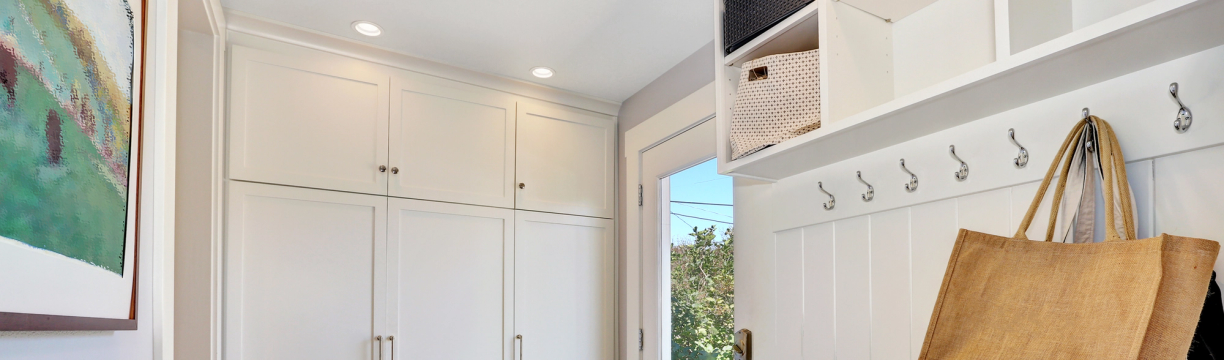
Closets and storage space
Older homes often feature tiny closets that wouldn't fit a week's worth of clothes. Modern buyers expect walk-in closets, pantries, linen storage, and garage space. Appraisers know this. They're comparing your 1950s ranch with its three-foot-wide bedroom closets to the new construction down the street with walk-ins in every bedroom.
Multiple large closets increase property value measurably. Finished garages add appeal. A finished basement with proper storage? That's gold in an appraisal. Storage isn't sexy, but it's functional, and functionality drives value.
If you're preparing for an appraisal, make sure storage areas are organized and accessible. A cluttered garage suggests you don't have enough storage, which becomes a negative in the appraiser's assessment.
Home appliances
Your appliances tell a story about your home's overall condition and maintenance. An appraiser walks into your kitchen and sees a refrigerator from 1995 that sounds like a diesel engine. What does that signal? Deferred maintenance. A homeowner who hasn't updated major components.
Conversely, newer energy-efficient appliances suggest a well-maintained property. You don't need luxury brands, but functional, relatively current appliances matter. If your dishwasher doesn't work, fix it or remove it before the appraisal. Non-functioning appliances count as defects.
Curb appeal
First impressions aren't just psychological, they're mathematical. Appraisers begin evaluating your property the moment they pull up. Overgrown landscaping, peeling paint on the front door, cracked walkways, these elements set a tone before the appraiser even enters your home.
You don't need a professionally landscaped yard. You need a mowed lawn, weeded flower beds, and a freshly painted front door. These simple improvements cost relatively little but significantly impact perception.
I had a client in the DFW area who power-washed their driveway and painted their front door the weekend before their appraisal. Cost them maybe $150 and four hours of work. The appraiser's report specifically mentioned "well-maintained exterior" in the notes. Small efforts, real results.
Easily fixable conditions and minor systems issues
Here's where people leave money on the table. You've got peeling paint in the bathroom, a loose handrail, three burned-out light bulbs, and a leaky faucet you've been meaning to fix. Each one seems minor. Together they create a pattern of neglect.
Appraisers notice everything. Cracked window panes, torn window screens, missing outlet covers, doors that don't close properly. None of these individually tanks your appraisal, but collectively they reduce value.
Before an appraisal, walk through your home with a critical eye. Better yet, ask a friend to walk through and point out issues you've stopped noticing. Fix the easy stuff. Patch nail holes. Replace cracked switch plates. Tighten loose cabinet handles.
Fresh paint throughout the home signals care and maintenance. It's one of the highest-ROI improvements you can make before an appraisal.
Standard Factors That Always Impact Appraised Value
Beyond the surprising elements, certain factors predictably influence every appraisal.
Location and neighborhood quality
Your home's location affects value more than almost any other single factor. Proximity to good schools, low crime rates, convenient access to employment centers, shopping, and transportation all enhance value. You can't change your location, but understanding its impact helps you contextualize your appraisal results.
Land size and lot characteristics
Larger lots generally command higher values. More land provides privacy, potential for additions or accessory structures, and simply appeals to many buyers. Corner lots, cul-de-sac locations, and lots backing to green space or water often command premiums.
Number of bedrooms and bathrooms
More bedrooms and bathrooms increase value, but there's a point of diminishing returns. A three-bedroom home typically appraises higher than a two-bedroom home. But a seven-bedroom home in a neighborhood of three-bedroom homes? That's problematic.
Bathroom count matters significantly. Homes with at least two full bathrooms appeal to more buyers than single-bathroom properties.
Square footage considerations
Size matters, but context matters more. Appraisers calculate price per square foot by comparing your home to similar properties. A 2,000-square-foot home typically appraises higher than a 1,500-square-foot home in the same neighborhood with similar features.
But there's nuance here. A home that's significantly larger than neighboring properties may face valuation challenges. If your 3,500-square-foot home sits in a neighborhood where most homes range from 1,800 to 2,200 square feet, comparable sales become difficult.
The 5 Biggest Appraisal Value Killers
Now we get to the serious stuff. These issues don't just reduce value, they can devastate it.
Unique or rural properties
I love unique homes. Mid-century moderns, A-frames, geodesic domes, these properties have character and appeal. But appraisers hate them. Here's why: comparable sales.
Appraisers rely heavily on recent sales of similar properties. If you own the only geodesic dome in your county, where does the appraiser find comps? They can't. They end up using properties that aren't really comparable, leading to unreliable valuations.
Rural properties face similar challenges. In urban and suburban areas, appraisers have dozens or hundreds of potential comparable sales. In rural areas, they might struggle to find five sales within several miles that closed in the last six months.
Outdated systems, appliances, and interiors
An aging HVAC system doesn't just mean future replacement costs, it signals to appraisers that the home hasn't kept pace with market standards. Original plumbing from 1960? That's a liability. Electrical service that hasn't been updated? Safety concern and valuation issue.
Major system age matters tremendously. A roof with three years of useful life remaining needs replacement soon. The appraiser factors this into value. Same with HVAC systems, water heaters, and other major components.
Outdated interiors tell appraisers the home hasn't been maintained to current standards. Popcorn ceilings, laminate countertops from 1985, original bathroom fixtures, these elements reduce value because buyers will factor in renovation costs.
Structural and construction materials issues
Modern construction methods and materials improve home safety, energy efficiency, and durability. Older homes built with outdated methods or containing hazardous materials face valuation challenges.
Asbestos and lead-based paint represent significant concerns. Even if properly contained, their presence requires disclosure and affects marketability. Aluminum wiring, polybutylene plumbing, these materials signal potential problems.
Structural issues devastate appraisals. Foundation cracks, roof damage, water intrusion, any indication of structural problems will reduce value substantially.
Pest damage or infestation
I cannot stress this enough: termites destroy value. So do carpenter ants, wood-boring beetles, and other structural pests. Even evidence of past infestation raises concerns.
Appraisers look for signs of pest activity. Wood damage, mud tubes, droppings, these indicators can stop an appraisal in its tracks. For FHA loans, active infestation or visible damage typically requires treatment and repair before loan approval.
Get a pest inspection before your appraisal if you have any concerns. Address any issues proactively.
Local market conditions and location factors
The broader market influences individual appraisals significantly. In appreciating markets, appraisals tend to support or exceed contract prices. In declining markets, appraisals more frequently come in below contract.
Local market inventory matters. With housing inventory at 4.6 months of supply in September 2025 according to NAR data, market conditions vary significantly by region. Some areas have balanced markets while others remain supply-constrained or buyer-favored.
Neighborhood stability affects value. If multiple homes on your street are in foreclosure or showing visible neglect, your home's value suffers by association.
Regional and Market Variations You Need to Know
Appraisal standards and costs vary considerably across regions and states. According to World Population Review, appraisal costs range from approximately $300 in states like Kentucky and Georgia to nearly $600 in Washington and New Jersey.
Different regions emphasize different property features. In Florida, hurricane protection features like impact windows and reinforced roofing enhance value significantly. In California, earthquake retrofitting matters. In cold climates, insulation quality and heating system efficiency receive greater scrutiny.
Urban appraisals often involve condominium and townhome valuations requiring different methodologies than suburban single-family homes. Rural appraisals face comparable sales challenges but may benefit from land value components that don't factor into urban valuations.
How to Prepare for Your Appraisal: A Complete Action Plan
Preparation makes a measurable difference in appraisal outcomes. Here's what actually works.
Research comparable sales yourself
Don't walk into an appraisal blind. Research recent sales in your neighborhood through online real estate portals or public records. Understand what similar homes have sold for recently.
If you find comparable sales that support a higher value than you expect, compile this information for your appraiser. While appraisers conduct independent research, providing relevant comps demonstrates you've done your homework.
Document improvements and upgrades
Create a comprehensive file documenting all improvements you've made. Include receipts, permits, warranties, and completion dates. Major improvements like roof replacements, HVAC installations, kitchen renovations, these significantly impact value and require documentation.
Before and after photos provide powerful evidence of improvement value. If you upgraded your kitchen, bathroom, or landscaping, visual documentation helps appraisers understand the extent of improvements.
Complete minor repairs and deep cleaning
Walk through your home systematically addressing minor defects. Fix leaky faucets. Replace cracked tiles. Repair damaged drywall. Touch up paint. These repairs cost relatively little but prevent appraisers from noting defects that reduce value.
Deep clean your entire home. Clean windows, scrubbed floors, organized spaces create positive impressions. While cleanliness shouldn't theoretically affect value, human psychology influences appraisal outcomes.
Improve curb appeal strategically
Focus on high-impact, low-cost improvements. Mow the lawn, trim hedges, weed flower beds, and add fresh mulch. Power wash your home's exterior, driveway, and walkways.
Paint your front door if it's faded or chipped. Ensure house numbers are clearly visible. Add seasonal flowers in pots near the entrance for color and appeal.
What to Do When Your Appraisal Comes in Low
It happens. Despite preparation, sometimes appraisals come in below expectations.
Understand the appraisal gap
An appraisal gap occurs when the appraised value falls below the contract price. If you're buying a home for $350,000 but it appraises at $335,000, you have a $15,000 gap. This creates problems because lenders base loan amounts on appraised value, not contract price.
Options for buyers
You can increase your down payment to cover the gap. You can renegotiate the purchase price, asking the seller to reduce the price to match the appraised value. You can meet the seller halfway, splitting the difference. Or you can walk away from the deal if your contract includes an appraisal contingency.
Options for sellers
If you're selling, you can reduce your price to match the appraisal. You can wait for a buyer willing to pay the gap, either through a larger down payment or accepting the appraisal value.
Challenging an appraisal
You can request an appraisal reconsideration if you believe the appraiser made factual errors or overlooked relevant comparable sales. Compile documentation supporting your claim: recent comparable sales, evidence of property features the appraiser missed, or corrections to factual errors in the report.
Appraisal challenges succeed when they identify clear mistakes or provide compelling comparable sales the appraiser didn't consider.
When dealing with appraisal challenges, having a lender who understands the process helps tremendously. At AmeriSave, we've helped countless borrowers navigate appraisal issues, finding solutions that keep deals on track. If you're considering a cash out refinance to fund improvements before selling, proper appraisal preparation becomes even more critical.
Appraisal Modernization
The appraisal industry is evolving rapidly with technology adoption and regulatory changes.
Fannie Mae updated its Selling Guide in 2023 to include expanded valuation options including value acceptance (formerly called appraisal waivers), value acceptance plus property data, and hybrid appraisals according to HousingWire.
Hybrid appraisals combine data collection by non-appraiser property inspectors with desktop analysis by licensed appraisers. This approach reduces costs and timeline while maintaining valuation accuracy in many scenarios.
Automated valuation models are improving rapidly, using big data and machine learning to generate property valuations. While AVMs work well for typical properties in data-rich markets, they struggle with unique properties or thin data markets.
The Bottom Line on Home Appraisals
Home appraisals set fair prices for properties, which protects everyone involved in real estate transactions. About 8.6% of appraisals come in below the contract price, but if you plan ahead, your chances of getting what you want go up a lot.
Focus on what you can control: fix small problems, make the outside look better, keep track of changes, and learn about the market. Take care of big problems like old systems, pest damage, and structural issues before they get worse.
Keep in mind that appraisers use sales data from similar properties to judge the value of a property. They're not trying to ruin your deal; they're giving you independent valuations that protect everyone.
Knowing what goes into an appraisal can help you set realistic expectations and avoid costly surprises, whether you're buying, selling, or refinancing. Take the time to get ready and work with professionals who know how the appraisal process works.
Next Steps: Getting the Best Outcome from Your Appraisal
If you know what affects home appraisals, you can get ready and avoid surprises that cost a lot of money. Whether you're buying your first home, selling a home you've lived in for a long time, or refinancing to get money for renovations, getting ready for an appraisal is important.
Fix small problems, make the house look better from the street, keep track of your improvements, and look up similar sales in your area. Before they become appraisal problems, take care of big issues like old systems or pest problems.
If you're thinking about a cash-out refinance to pay for improvements that will raise the value of your home, it's even more important to get a good appraisal. The AmeriSave team knows how hard it can be to get an appraisal, and they help borrowers deal with these problems every day.
Existing Home Sales Report Shows 1.5% Increase in September.
National Association of Realtors · 2025 · nar.realtor

Appraisal Fees by State.
World Population Review · 2025 · worldpopulationreview.com
Appraisals & Valuations.
HousingWire · 2025 · housingwire.com

Jerrie leads sales operations in the Dallas-Fort Worth region for AmeriSave, where his entire mortgage career has been spent since being recruited into the industry at age 18. Licensed as a Mortgage Loan Originator in 37 states, he specializes in making complicated loan options accessible and helping borrowers understand what matters most in their individual situations. He brings deep regulatory knowledge and a client-centric approach honed through progression from entry-level to upper management, including successfully onboarding and training 70 people from a closed Cleveland office.
Frequently Asked Questions
Recent data shows that the cost of a home appraisal can be anywhere from $200 to $600, depending on the state and area. In states where living costs are lower, like Kentucky or Georgia, a standard appraisal for a single-family home might cost around $300. Costs will be closer to $600 in states with higher costs, like Washington or New Jersey. There are more things that affect prices than just where you are. It takes more time to measure and evaluate larger homes, which raises costs. It may cost more to have an appraiser look at rural properties or one-of-a-kind homes that need a lot of comparable sales research. A standard ranch home costs less to appraise than a multi-level home with custom features because it's more complicated. Pricing is also affected by how quickly you need something. Rush appraisals that need to be done in a short amount of time usually cost more. It's normal for the buyer to pay for purchase appraisals as part of the closing costs, but this can be negotiated. The homeowner pays for the appraisal when they refinance. Before you go ahead, get quotes from several appraisal management companies or ask your lender what the average costs are in your area.
Whether or not you can go depends on the type and purpose of the appraisal. You usually can't go to purchase appraisals when you're buying a home. To make sure that valuations are fair, lenders and appraisal standards say that appraisers must not be influenced by buyers. Usually, the seller or their agent lets the buyer into the property while they wait somewhere else. You can go to refinance appraisals, and you should go whenever you can. As the homeowner refinancing your own home, being there helps the appraiser see improvements and unique features that they might not have noticed otherwise. You can tell them about your new roof, show them the receipt for the new HVAC system, talk about the new electrical panel, and talk about other improvements that make the house worth more. When getting a refinance appraisal, give the appraiser all the information they need, but don't argue or push them about the value. Appraisers like to get helpful information, but they also need their own space to do their own evaluations. If you've made big changes, make a simple one-page summary with pictures and receipts to give to the appraiser.
The physical inspection part of a home appraisal usually takes 30 minutes to a few hours, depending on how big and complicated the property is. A small condo might only take 30 to 45 minutes, but a big single-family home with a lot of outbuildings could take two to three hours. The appraiser takes pictures of the inside and outside of the house, measures the rooms, notes the condition of the property, and lists features that affect its value. The inspection is only one part of the process, though. The appraiser looks up sales of similar properties, studies market data, makes adjustments to the values for differences in properties, and finishes the formal appraisal report after leaving your property. This work on the back end often takes longer than the actual inspection. In most cases, it will take three to ten business days from the inspection to the delivery of the final report. It usually takes five to seven days to finish a standard appraisal. You might be able to get a rush appraisal in three days, but it usually costs more. Timelines are also affected by market conditions. Appraisers have more work to do during busy spring and summer markets when buying activity is at its highest, which could cause delays.
A low appraisal makes things harder for both buyers and sellers because lenders use the appraised value to decide how much money to lend, not the contract price. If you agreed to buy a house for $400,000 but it is worth $380,000, your lender will only lend you money based on the $380,000 value, even if your contract says otherwise. There is a $20,000 gap that needs to be filled in order to finish the deal. When this happens, buyers have a few choices.
- You can raise your down payment to cover the difference, which means bringing more money to the closing to make up the difference.
- You can talk to the seller again and ask them to lower the price to match the appraised value.
- As a compromise, you could meet the seller halfway between the contract price and the appraised value.
- If your purchase contract includes an appraisal contingency that protects you from paying too much, you can also just walk away from the deal.
- Sellers can lower the price they want to get to match the appraisal.
- They can refuse to move and wait for a buyer with a bigger down payment or a cash buyer who doesn't have to worry about appraisal requirements.
- If either side thinks the appraisal is wrong, they can also challenge it.
Yes, you can ask for a reconsideration of the appraisal, but you need to have specific reasons for doing so, not just because you disagree with the value. When you find clear factual mistakes or give the appraiser strong comparable sales that they missed or wrongly dismissed, appraisal challenges work best.
- Factual errors in the report, like wrong square footage, wrong number of bedrooms or bathrooms, missing property features like finished basements or upgraded systems, or wrong details about comparable properties are all good reasons to challenge.
- You might also win if you give the appraiser better comparable sales that they didn't look at, especially if they are recent sales that are very similar to your property and support a higher value.
The first step in the challenge process is to carefully read the whole appraisal report and look for any mistakes. Make sure that all the measurements are right, that all the rooms were counted correctly, and that all the features were noted correctly. Put together your proof in a clear document that focuses on specific problems in a professional way. Include proof of recent comparable sales data or corrections to factual errors. Give this to your lender, who will send it to the appraiser for a second look. Arguing about how to do things or just saying the property is worth more because you want it to be is not going to work.
In theory, appraisers look at the structure's condition, features, and comparable values instead of how clean it is or how it is decorated. In practice, cleanliness has a big impact on appraisal results because of both psychological and practical factors. Appraisers are people who make subjective judgments based on objective criteria. A tidy, clean home makes a good first impression that affects how appraisers see the overall maintenance and care. When they walk into a clean kitchen with organized counters and shiny appliances, they automatically assume that the homeowner takes good care of the property in ways that aren't obvious, like having the HVAC serviced regularly or having the roof checked. Extreme clutter makes it hard for appraisers to look at some areas properly. This could lead them to note problems in their report or make safe guesses about conditions they couldn't check. During an inspection, cleanliness can also change how a space feels. Rooms that are clean and have organized spaces look bigger and work better. You don't need to hire a professional cleaning service or staging, but you do need to keep things clean. It helps to have clean windows and floors, organized closets and storage areas, tidy kitchens and bathrooms, and cleared counters.
People often mix up home appraisals and home inspections, but they are not the same thing and give different kinds of information. An appraisal tells you how much a property is worth on the market so that you can borrow money against it. A home inspection checks the condition of the property so that the buyer knows what might be wrong with it and what repairs it might need. Appraisers work for lenders to make sure that the value of the property is enough to cover the loan and protect the lender's interest in the collateral. Home inspectors work for buyers to find flaws and possible problems before they buy a home so they know what they're getting into. Licensed appraisers are experts in property valuation who know a lot about the local market and how to compare sales. Most home inspectors are licensed contractors or inspectors who know a lot about construction and systems. An appraisal comes to a conclusion about the market value based on sales of similar properties and any changes that need to be made. A detailed report is made after an inspection that lists all the problems found, from big ones like foundation problems to small ones like missing outlet covers. When you buy a house, you need both for different reasons. The appraisal protects your lender and makes sure you don't pay more than the market value. The inspection protects you by showing you problems with the condition.
When choosing comparable properties, appraisers usually look at sales from the last three to six months. However, this time frame can change depending on market conditions and the availability of data. In busy markets with a lot of sales, appraisers use very recent data because older sales might not show current values correctly. In rural areas with few transactions or in markets that are moving slowly, they might go back twelve months to find enough sales that are similar. The Federal Housing Administration and other groups give specific rules about how recent comparable sales should be. FHA rules usually want sales to have happened in the last three months, but they will accept sales that happened up to six months ago if necessary. In markets that are going down or areas where sales are low, sales can even be as old as twelve months. When choosing comps, appraisers must find a balance between how recent they are and how similar they are. A home that sold nine months ago that is almost the same as yours might give you a better idea of what your home is worth than a home that sold last month that is a little different. When they use older sales, they change the time to account for any changes in the market that happened between the date of the comparable sale and the date of your appraisal. If you're worried about your appraisal, do your own research on sales that are similar to yours, focusing on the last three to six months.